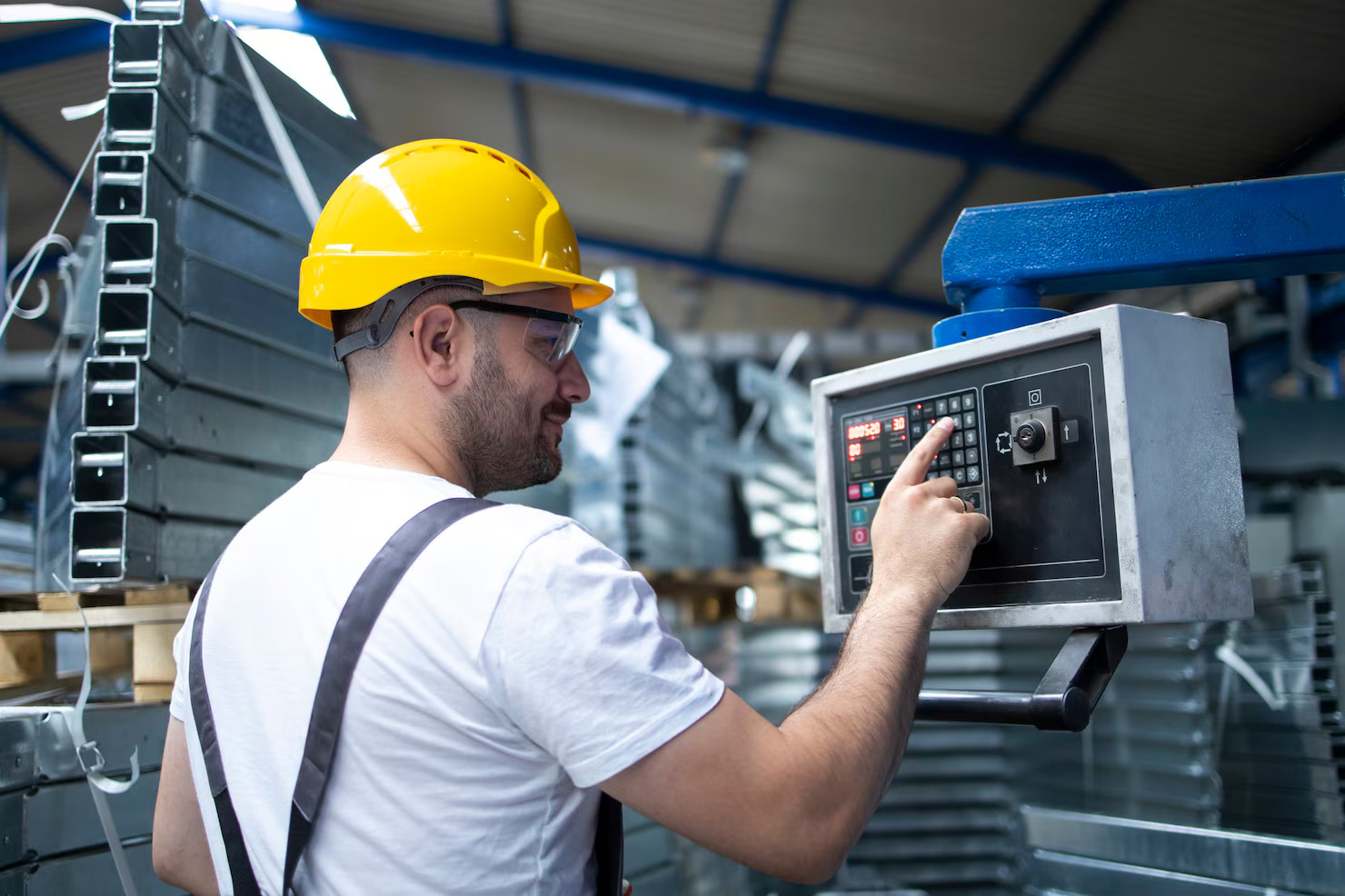
Modern production environments aren’t defined by how quickly the products are manufactured. It’s also about maintaining consistency, accuracy, & quality control throughout the process. Considering how industries are only getting started with adopting stricter operational standards & increasingly complex manufacturing systems, businesses are now expected to manage larger production volumes than before, without compromising on precision.
In this, efficient numbering methods are needed to identify products, components, batches, & production records. Even though many businesses rely on manual methods to meet requirements of production, they often face challenges concerning repetitive adjustments, inconsistent numbering sequences, & slower workflows. If left ignored for long, such inefficiencies adversely affect production timelines.
Though, the switch from manual to automatic rarely ever puts any business at a disadvantage. The production rate (throughput) that was once at a certain level significantly improves output when automatic numbering machines eliminate the need for manual intervention, helping streamline operations. With such machines, your business doesn’t just benefit from improved accuracy — rather, the perks also lie with enhanced product traceability & higher production volumes.
What Is an Automatic Numbering Machine?
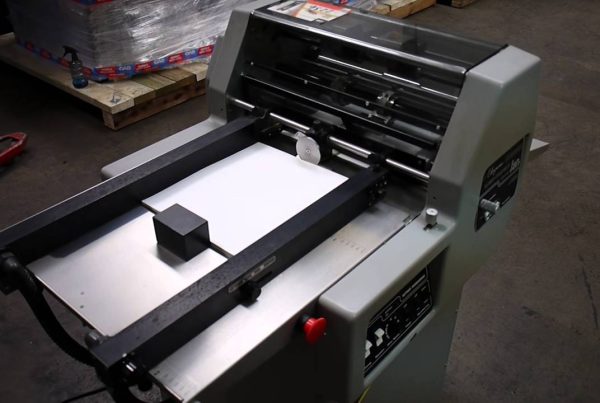
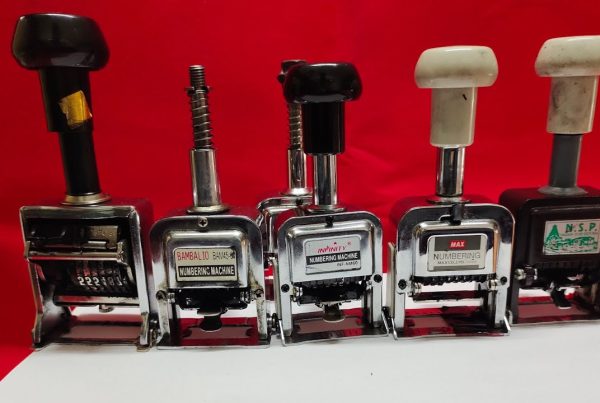
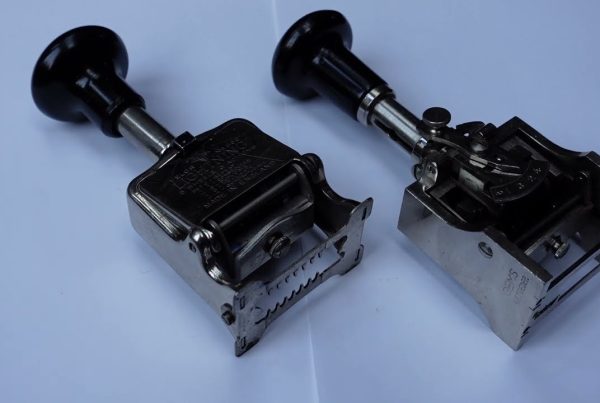
An automatic numbering machine is an electric mechanical stamp that automatically prints sequential numbers or codes on various types of products, components, documents, production records, or other materials, without requiring constant manual adjustment. With every press or cycle, the internal gears advance the digit to the next number which dramatically increases the speed of production & also reduces manual errors.
Depending on operational requirements, such a machine can produce consecutive serial numbers, batch numbers, lot numbers, date codes, & other identification markings, deemed necessary for production tracking & traceability. The application of automatic numbering machines extends across a wide range of industries, including manufacturing, automotive production, aerospace, packaging, warehousing, & industrial fabrication.
Reducing Time Spent on Manual Numbering Tasks
Production operators are often required to repeatedly adjust numbering sequences, verify the accuracy of each impression, & monitor the progression of production records throughout the day, all because the system is heavily reliant on manual numbering methods. Before its automatic counterpart was introduced, the practice of manually numbering various products or components was considered normal.
However, with time, it has been realized how much production time such a practice can consume & the consequent increase in the likelihood of workflow interruptions. With automatic numbering machines, these challenges are avoided by advancing the number sequence on its own without external force or constant monitoring. In this manner, employees are given the room to focus on other production-related tasks.
For example, in an industry like packaging facilities where thousands of units are produced per shift, automatic number advancement can come in handy for reducing production delays & supporting higher volume outputs.
Minimizing Human Error in Production Operations
When it comes to manual numbering processes, one can always expect considerable room being left for human error. Most noticeably, this is observed in production environments where large quantities of products or components demand identification within limited timeframes. Here, the most common errors include skipped numbers, duplicated sequences, incorrect serial progression, & inconsistent markings.
In industries where product marking does more than keep a track of goods produced, even a minor numbering error can result in delayed shipments, compliance issues, or unnecessary production costs. On the brighter side, automatic numbering machines help minimize such risks by relying on a self-advancing numbering sequence where a higher degree of consistency & precision is guaranteed.
For this reason, businesses are now able to maintain greater control over product identification throughout the production cycle. Take an automotive manufacturing company, for example. Here, accurately numbered components can help production teams identify, inspect, & trace specific parts without disrupting workflow continuity or compromising production standards.
Supporting Product Traceability and Accountability
Businesses monitor products throughout their lifecycle, not just through serial numbers but with batch codes & lot numbers too. So whether the goods are in the production stage, undergoing inspection, being stored or distributed, the operators are able to keep an accurate check with an automatic numbering machine. Essentially, without an effective numbering system (as this one), tracing a specific product or batch becomes time-consuming.
The good news is that automatic numbering machines help strengthen product traceability by generating consistent, sequential markings that can be easily recorded, monitored, & retrieved whenever necessary. Not only does this approach improve documentation practices & recordkeeping procedures, but it also supports product recall preparedness, quality control initiatives, & operational accountability.
Improving Quality Control Processes
The quality control process isn’t primarily marked by keeping the quality of goods in check. It also involves consistent product identification & accurate production records. In the absence of reliable numbering systems, inspection teams often struggle to verify product batches, trace defects, or maintain standardized documentation throughout the production process. Considering how the demand for larger production volumes has increased, maintaining quality standards has become a vital practice.
Consistent markings that simplify inspection procedures & improve production monitoring is made possible through automatic numbering machines. Paired with this, businesses are better equipped to investigate production issues, perform root cause analyses, & maintain detailed quality records. To draw an example, if a defect is discovered within a certain production run, inspectors can refer to sequential numbering data to identify affected products quickly.
Increasing Throughput Without Sacrificing Accuracy
Production environments are often met with the risk of compromised accuracy as the output increases. The attempt to meet larger production targets is blocked when manual processes create bottlenecks slowing down operations, increasing downtimes, & affecting workflow continuity. In this, employees are often required to stop production (time & time again) to adjust numbering sequences, verify markings, or correct identification errors.
These challenges are countered with the help of efficient automatic numbering machines, as they combine faster marking processes with consistent number accuracy. Since the numbering sequence advances on its own, fewer interruptions are observed in production lines, supporting greater operational efficiency. Drawing an example from practical use in manufacturing facilities, automatic numbering systems support continuous production runs without compromising on the accuracy required for inventory management & regulatory compliance.
Improving Inventory and Asset Management
Inventory management extends beyond the practice of counting products that enter or leave a facility. Businesses are also expected to keep track of components throughout production, maintain inventory records, & manage finished goods, all the while ensuring uninterrupted visibility across storage locations. Without reliable identification systems, challenges like inventory discrepancies, misplaced items, & operational delays become common occurrences.
For this, consistent identification records are needed to ensure traceability throughout the production cycle. This need is fulfilled through automatic numbering machines as they allow businesses to monitor movement with greater accuracy. So whether the product is being manufactured, inspected, or stored, sequential numbering improves inventory control & warehouse visibility while reducing administrative inefficiencies.
Industries That Benefit Most from Automatic Numbering Machines
Not all industries demand high-volume production, which naturally reduces the need for automatic numbering machines. However, industries that do rely on large-scale operations are often those where product identification, documentation, & traceability directly affect various components of production. These include productivity, quality control, & regulatory compliance. Automatic numbering technology supports such industries by establishing greater consistency, accountability, & control throughout the production process.
- Manufacturing Facilities: Support the identification of various items, such as components, production batches, & finished goods while providing operators with transparent monitoring tools that improve workflow efficiency.
- Aerospace and Defense Contractors: Assist with maintaining accurate records, component traceability, & compliance documentation for highly regulated production environments.
- Automotive Production Operations: Provide manufacturers with the ability to track parts, assemblies, & production sequences while reducing identification errors.
- Packaging and Distribution Centers: Facilitate batch numbering, shipment tracking, & inventory management in high-volume operational settings.
- Industrial Fabrication Shops: Improve the identification of fabricated components, work orders, & production records while supporting quality assurance processes.
Explore Automatic Numbering Machines & See How These Are a Valuable Production Tool!
As production requirements continue to evolve, businesses are increasingly expected to improve operational efficiency without compromising on accuracy, traceability, or quality control. For this reason, industries have begun to rely on automatic numbering machines as they help fulfil such requirements by simplifying product identification, reducing manual intervention (by employees), & supporting objectives of long-term production management.
- Eliminate repetitive numbering adjustments while ensuring seamless workflow continuity & production efficiency.
- Support serial number tracking, batch identification, & accurate production documentation.
- Enhance quality assurance procedures, inventory management, & regulatory compliance.
Short Order Products takes pride as an established & well-known provider for engraving & marking equipment since 1989. Here, we offer durable automatic numbering machines which are designed to support a wide range of industrial applications, such as optimizing operational performance or supporting long-term business objectives.
Frequently Asked Questions (FAQs)
Q1. Can numbering machines help with product traceability?
Yes, automatic numbering machines help with product traceability by creating sequential serial numbers, batch codes, & lot numbers that can be tracked throughout all stages of its lifecycle.
Q2. How do numbering machines support quality control?
Automatic numbering machines help improve quality control by providing consistent product identification, simplifying inspection procedures, & improving production documentation.
Q3. When should a business upgrade to an automatic numbering machine?
Businesses are recommended to consider upgrading to an automatic numbering machine when manual numbering processes begin causing delays in the workflow, increasing errors, or production bottlenecks.
Q4. How does an automatic numbering machine improve production efficiency?
Automatic numbering machines improve efficiency of production by reducing manual intervention, minimizing human error, & increasing production throughput (rate of production). Besides that, they also improve traceability & support better inventory management.