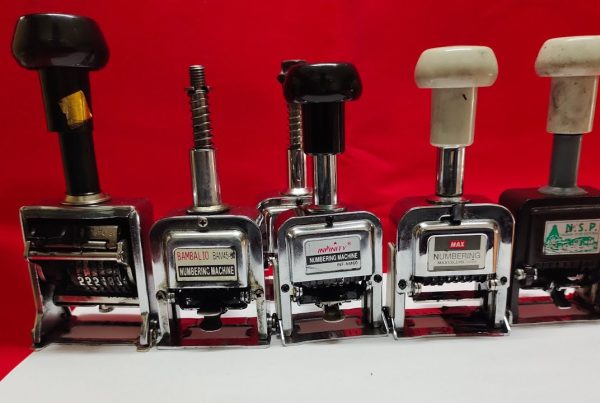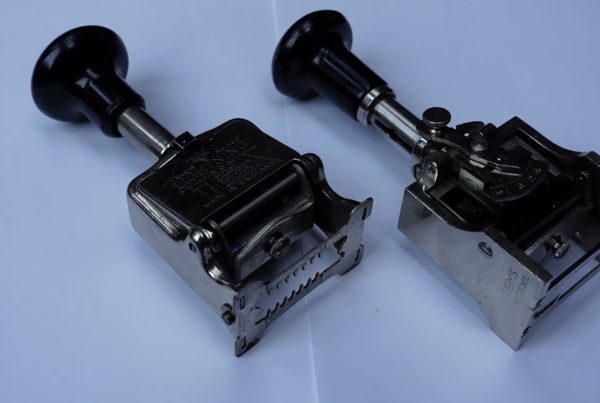
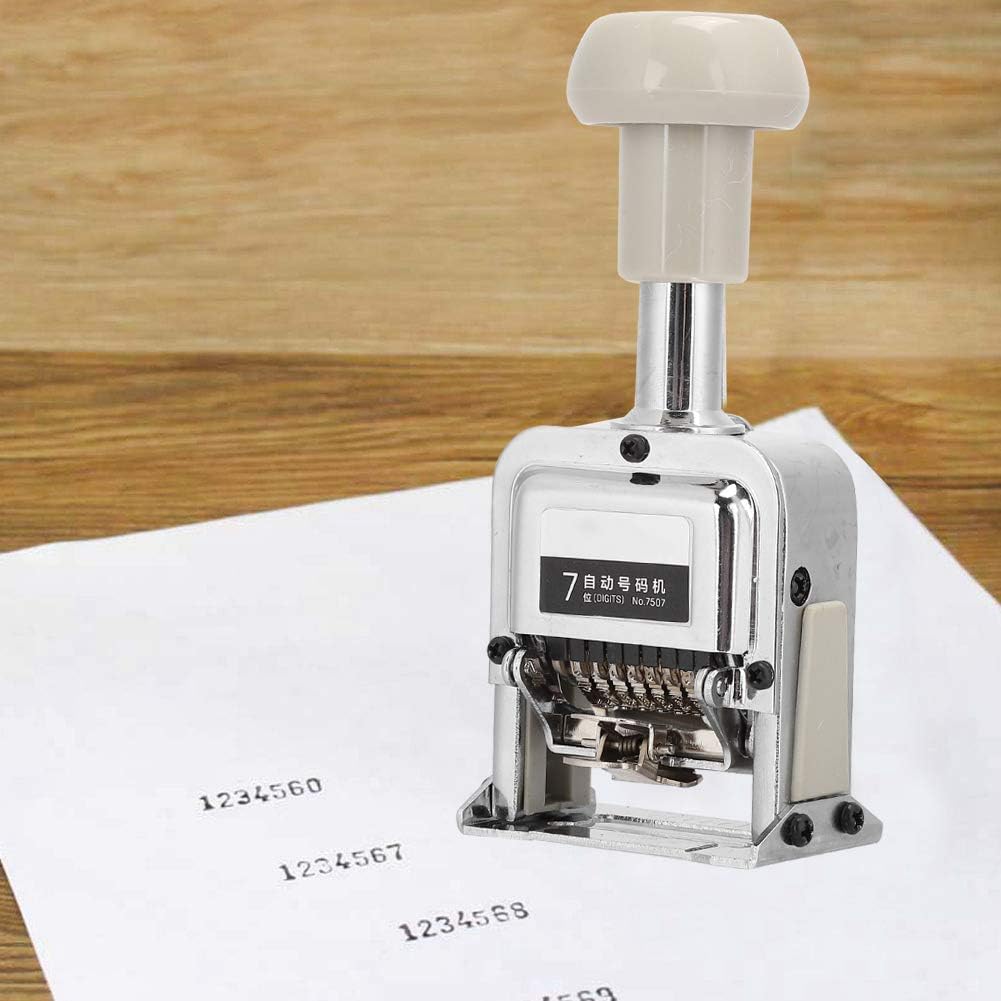
Suppose an auditor enters your work place and selects a product and asks, “Can you tell me which batch this came from?” You see the number, but it is smudged, missing or doesn’t add up to your records. Now what? You have to dig through the paperwork. and it takes a while to get the answer, all because of one number that was not clear.
This is the reason it is so crucial to pick the correct numbering machine. Although a small piece of equipment, it will enable you to properly identify your product, parts and documents. Each number that is clearly visible provides an item to monitor, and it will help answer questions when asked about.
But here’s the thing. you don’t just want a machine that works today. You need one that keeps your numbers clear and consistent for years. So, what should you look for? Let’s talk about numbering accuracy, compliance, useful features, maintenance and a few simple ways to keep your records in order.
Why Long-Term Traceability Requires Consistent Numbering Systems
Long-term traceability starts with one simple thing: giving each item a clear and unique number. When every product, part, or document has its own number, you can find its history without spending hours searching through files.
Think about what one number can help you track. product details, parts used, production records, inventory counts and even the full history of an item. Everything stays connected through one simple number.
But what happens when someone skips a number, uses the same number twice, or changes the sequence during a shift? Things can get messy pretty quickly. Your products may no longer match your records and finding the correct information becomes much harder.
And you never know when you’ll need those records again. A product recall, warranty claim, or audit could happen years after production. On that day, it will be possible to locate the correct information with a clear and consistent number, without having to start from scratch. With a little care with numbering today, you can save yourself a lot of stress tomorrow.
How Numbering Machines Support Accurate Audit Trails
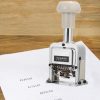
By assigning unambiguous sequential numbers to products, parts or documents, a numbering machine can help with the audit trail. Each number corresponds to a record, so that you can keep track of the information without losing your way in the papers. Let’s take a look at how they can assist you in maintaining your audit trail:
- Record Matching: Each of the numbers on the stamps is found in your logs, invoices, or production sheets, simplifying the identification of the right record.
- Sequence Control: Numbers progressing in sequence makes it easier to spot skipped or repeated numbers.
- Error Detection: No smudged, missing or repeated numbers will go unnoticed during checks and will help to prevent mistakes from spreading.
- Verification: If the other team member can more easily see the imprint, they can easily reference a number to your documentation.
- Documentation: Items that are numbered will provide documentation for when an auditor reviews you.
5 Compliance Requirements to Consider When Selecting a Numbering Machine
Before you rush to buy a numbering machine, take a little time to understand the rules your business needs to follow. After all, the machine should do more than stamp numbers. it should help you meet your recordkeeping and identification needs too. While each industry may have its own set of guidelines, there are 5 key points to consider before making your decision:
- Identification Consistency: All numbers must be the same format, number of digits and position on each item. This will help your team to pinpoint the products without getting confused.
- Record Accuracy: Product numbers on your products must correspond with your records. Select a machine that moves correctly without skipping any numbers, or repeating numbers.
- Audit Readiness: Stamped numbers should stay clear and readable during handling and storage. This is crucial for medical device manufacturers, particularly in the wake of FDA’s QMSR, which goes into effect on Feb. 2, 2026.
- Data Retention: IRS requires companies to retain data for a minimum of 3 years and employment tax data for a minimum of 4 years. That could mean that those documents need to be legible for that long.
- Regulatory Requirements: Certain industries have additional regulations. For instance, the CPSC mandates tracking labels for some children’s products and the FDA’s food traceability rule is scheduled for July 20, 2028.
Therefore, before selecting the machine, ensure that it will support you to maintain that information clear, accurate and easily accessible. This is a good way to begin.
Which Numbering Machine Features Help Maintain Long-Term Operational Consistency?
The right features can make your numbering machine function properly year after year. Some companies may require marking only a few items from time to time, while others may require marking machines which can handle much heavier workloads.
It’s just a matter of locating one that fits with your daily work. While it’s important not to pay for capabilities that you don’t utilize, you don’t want a machine that is hard to keep up with. There are 3 things that can make a difference, so let’s take a look at them.
Numbering Control Mechanisms
Numbering controls will determine the alteration, repetition, and reset of numbers. This is crucial since you don’t want any of the numbers to be out of order. Some machines have keys to alter the number settings and automatic numbering machines increment the number with each stroke.
Some of the features to consider are:
- Sequential numbering starting at 1 and incrementing by 1 each impression.
- Automatic advance, no need to change the numbers manually.
- Using a key set to adjust numbers sequences in no time.
- Repeat settings for marking several items with the same number.
- Easy-to-see number wheels that let you check the number before stamping.
These features can save time and help prevent mistakes. especially when you’re marking lots of items in one go.
Identification Flexibility
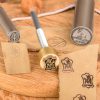
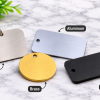
Identification flexibility means choosing a machine that works with the different materials and number formats your business uses. Does your business work with paper only, or do you also stamp metal and plastic? Your answer can help you choose a machine that fits your everyday needs.
Wheel count matters too. Determines the number of digits you can use and custom options plus the proper ink, will get you the format and impression you need. Before buying, check these features:
- Different wheel counts, such as 6 and 7 wheel models, for longer serial numbers.
- Handheld and tabletop styles for different work setups.
- Manual, electric and air-powered options for different workloads.
- Custom numbering machines for special numbers or characters.
- Different ink options for the surface you need to mark.
The goal is simple. find a machine that works with the materials and number formats your business uses.
Operational Reliability
A reliable numbering machine should print clear and even numbers, move smoothly and keep working properly after thousands of impressions. This is important as you wouldn’t want the clarity of the numbers to slow you down or cause issues with your records.
Consider how often you will use the machine and the amount of work the machine will perform. Some of the options to look into are listed below:
- Strong construction for regular use.
- Light-duty models for occasional jobs and deluxe models for heavier workloads.
- Ink that gives clear and consistent impressions.
- Easy access for cleaning and changing ink.
- Repair support when the machine needs attention.
Selecting a machine that suits your requirements can help prevent you from having issues that you don’t need and help your numbering process run smoothly.
What Role Does Numbering Machine Maintenance Play in Long-Term Reliability?
Maintenance is regularly carried out, ensuring that a numbering machine functions well and produces clear numbers. Some numbers may not show on the image due to smudged or uneven impressions from dried ink, worn parts or stuck wheels.
That’s where the complications come in. clear impressions are not always easy to achieve, making it more difficult to match up products with their records. When your machine is maintained regularly, it helps to keep your machine safe and the information associated with each number that it stamps.
You don’t have to have a complicated cleaning regimen in order to get started. Just remove excess ink, see if the wheels roll freely and ensure proper number alignment. Test a few impressions prior to beginning a big production run to ensure that everything appears to be correct. Additionally, adhere to the manufacturer’s guidelines for cleaning, ink replacement and moving parts, as the procedures may vary from machine to machine.
But what if your machine still prints uneven numbers or keeps skipping them? Don’t ignore the problem or try to work around it. Stop using it and have it checked before more items are marked incorrectly.
Short Order Products also offers repairs for machines you already own. So, instead of letting a small issue turn into a bigger problem, getting your machine repaired on time may save you from having to mark an entire batch again.
4 Steps to Establish a Reliable Numbering and Verification Process
There is no need to have a complicated numbering process if it is reliable. It’s a just a matter of a few instructions that are easy to understand, and that everyone on your team can follow. Everyone will be less likely to make mistakes and your records will be easier to maintain if everyone knows what to do. The following are 4 simple steps to get started:
- Define Identifiers: Choose a number format, number of digits, prefix, starting number and position. Record it all in a way so everyone writes it all the same.
- Assign Responsibility: Determine who will run the machine, who will be in charge of changing out number sequences and who will check the final results.
- Verify Impressions: Ensure all the numbers are stamped and that they are stamped clearly and in the correct sequence. Ask another team member to check if possible prior to moving the item to the next stage.
- Maintain Records: Keep a record of number ranges, dates and machine operators. Keep these records for as long as required by the IRS or industry.
These measures might sound simple, but they can help your workday be easier. With everyone knowing what to do, there’s less opportunity for confusion and your records are easier to manage.
Explore Consecutive and Automatic Numbering Solutions From Short Order Products!
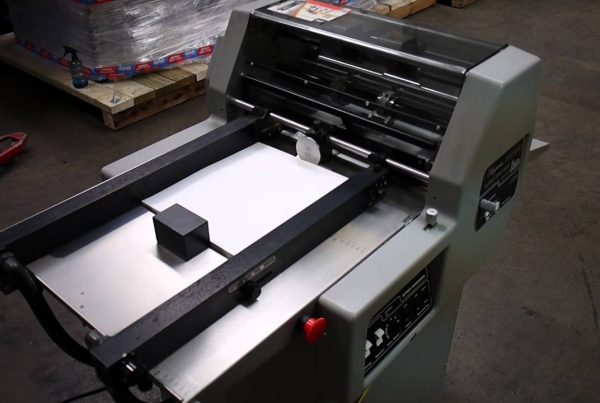
The first step to finding the right numbering machine is to know the needs of your business. Short Order Products has manual, electric and air-powered tabletop and handheld numbering machines. There is also a key set and thumb key option to change the number sequences as per your needs.
These machines can mark paper, metal and plastic, giving you options for different types of work. If you already own a machine that needs attention, repair services are available too.
Looking for something a little different? Custom numbering machines are available too and custom orders take about a week to ship. You can explore the automatic models, choose the wheel count and ink that suit your number format and contact the team if you’re not sure which option to pick.
After all, every number you stamp today could become an important part of your records years from now. So, why risk smudged impressions, missing numbers, or confusing records when you can make the process easier?
Browse the numbering machines or request a free quote from Short Order Products today. Find the right machine for your work and give every product a clear, consistent number. because keeping track of things should be simple!
Frequently Asked Questions (FAQs)
Q1. How do numbering machines help with traceability?
They also clear and sequentially number products or documents so that each item can be linked to the proper record. This will help trace back on an item’s history and information in case of an audit or recall.
Q2. What do you need in a numbering machine for compliance?
Look for clear, lasting impressions, reliable number sequences and enough wheels for your number format. Since rules can differ by industry, check your requirements with the right agency or an advisor before buying.
Q3. How often do numbering machines need cleaning and checks?
Check your machine before every large production run and clean it regularly based on how often you use it. Always follow the manufacturer’s instructions for cleaning, ink and moving parts.
Q4. Can one numbering machine mark paper, metal and plastic?
Many machines can mark all 3 materials when paired with the right ink. Before buying, check that the machine and ink work with your chosen surface. and ask the supplier if you’re unsure.