Custom Identification TagsYour identification tags hang on a pump, a storage rack, or a piece of equipment that faces rain, heat, dust and rough handling every day. Now, imagine the material starts wearing out, or the engraved details become impossible to read. suddenly, that little tag isn’t doing its job anymore. So, how do you choose a material that can keep its markings clear for years?
Aluminum, stainless steel, brass and plastic are some of the most common choices. But they don’t all handle daily use in the same way. Some are lightweight and easy to engrave and others provide greater resistance against rust, scratches and weather. The material also influences the appearance of your tag and the ability to retain the engraved or stamped markings.
Let’s explore the characteristics of each material and how to select the appropriate material based on your working environment. Some pre-planning now will help you avoid replacing a whole batch of ID tags down the road. and no one wants to go through that additional expense or hassle!
What Materials Are Commonly Used for Custom Identification Tags?
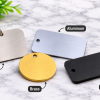
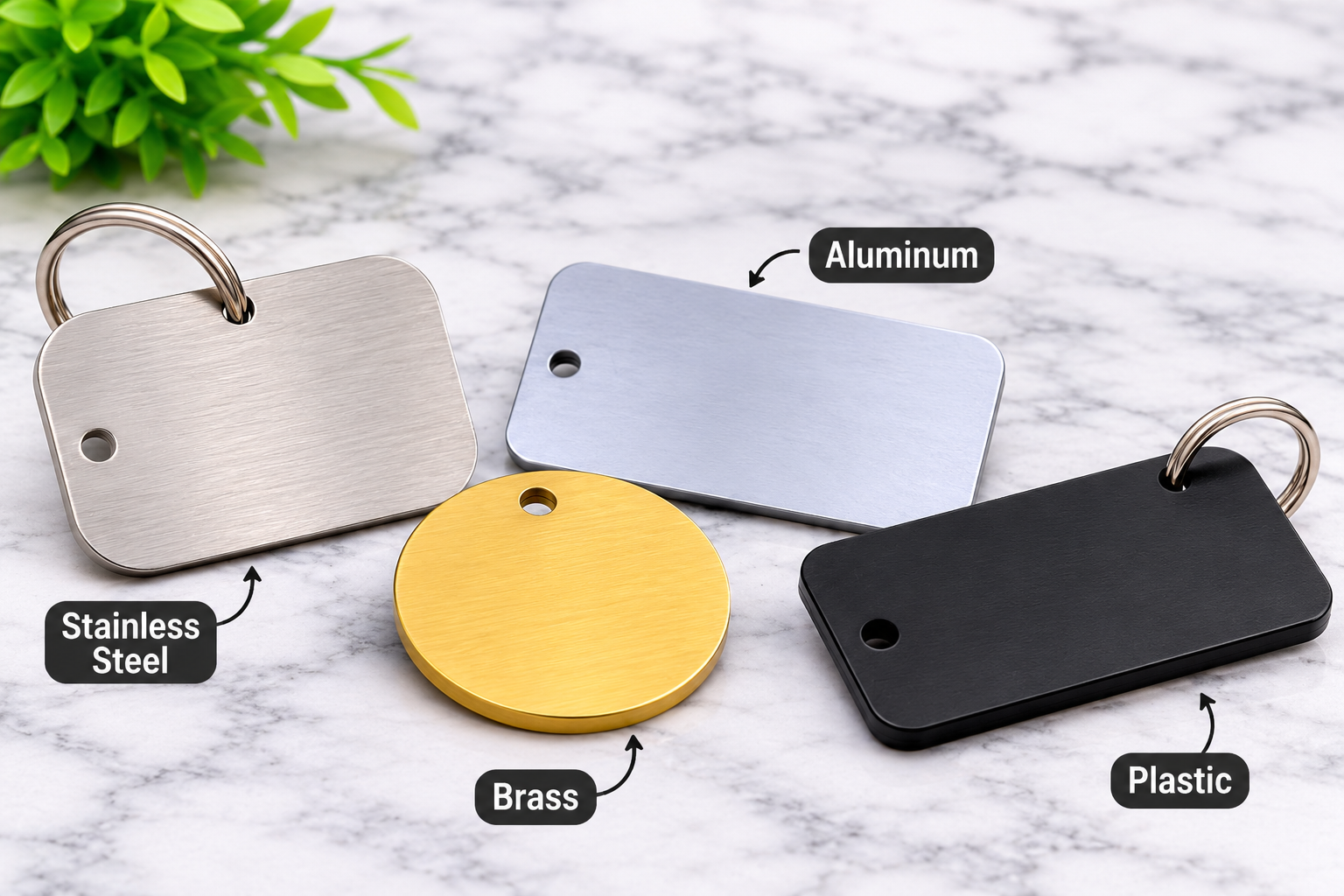
Custom identification tags are typically manufactured from aluminum, stainless steel, brass, or plastic. The qualities of each material vary so your choice will depend on where the tag will be used, what it is required to identify and how much wear the tag will undergo. Short Order Products engraves all these materials, offering you 5 options to choose from for different marking jobs:
- Aluminum identification tags: Light and easy to engrave, anodized and lacquered for colour and surface protection.
- Stainless steel tags: Durable and resistant to corrosion, ideal for wet areas, long service life and heavy-duty equipment.
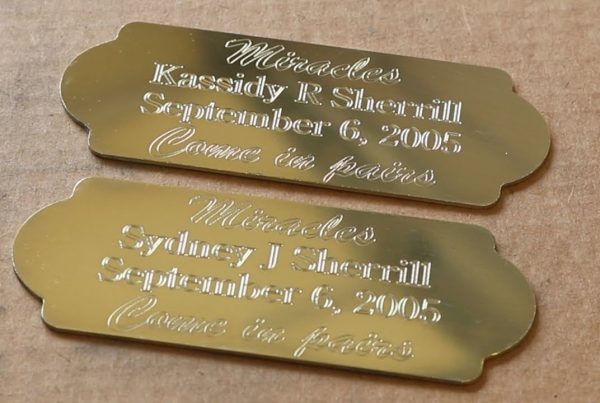
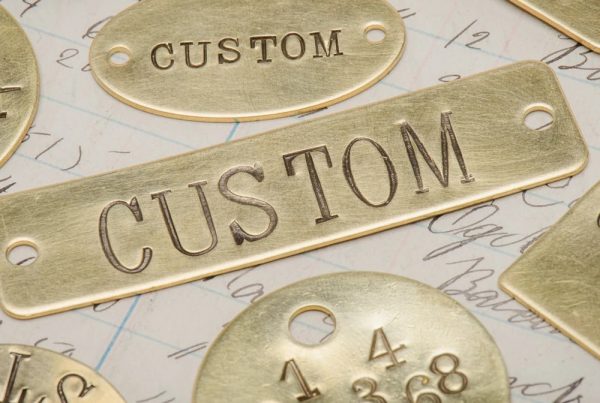
- Brass identification tags: A traditional metal, which creates clean engraving and is ideal for name plates, valve tags and show items.
- Indoor plastic tags: Lightweight, inexpensive, and come in various colours for colour-coded tags in a controlled indoor environment.
- Outdoor plastic tags: These are more durable than standard indoor plastic tags, as they are designed to withstand outdoor weather conditions.
The best material does not necessarily mean the strongest or most costly. It’s the one that will perform your actual work conditions without making identification difficult.
5 Key Material Properties That Affect Tag Performance
Five material properties can significantly affect the performance of your identification tags: corrosion resistance, hardness, weight and thickness, surface durability and environmental stability. While these may be minor details when ordering, they can be major details when the tags are installed. Let’s dissect them so you’re prepared to know what to search for:
- Corrosion Resistance: Anodized aluminum has a harder oxide layer that makes it more resistant to corrosion, and stainless steel resist rust well. According to the Aluminum Anodizers Council, this layer is much more resistant to corrosion and abrasion than simple aluminum.
- Material Hardness: Hard materials are less likely to be scratched and dented. But they might need more stamping pressure and a longer engraving time.
- Weight and Thickness: Thicker tags are more resistant to bending when handled roughly, and thinner, lighter tags are suitable for smaller equipment and items requiring easier hanging.
- Surface Durability: Surface affects the longevity of the lettering. Before you select, look at the engraving or the stamped impression and the depth of it as well as the finish and protective coating.
- Environmental Stability: Some materials tend to lose strength, fade or warp under the influence of sunshine, heat, cold and moisture. Always think about what type of conditions your tag will be in all year long.
For instance, a tag inside a clean office does not require the same protection as a tag on outdoor machinery. Comparing these 5 properties with your actual needs helps you to avoid picking a material that will wear out prematurely.
When Should You Choose Metal Tags Over Plastic Identification Tags?
Choose metal tags when they need to handle heat, moisture, chemicals, or rough handling for years. Plastic is still a good choice for affordable, colour-coded labels and lighter applications, so the decision comes down to where the tag will be used and how long it needs to last.
OSHA’s lockout/tagout guidance says tagout devices must withstand their environment for the maximum expected exposure and must not deteriorate in corrosive areas. That’s an important point to consider, even when you’re choosing tags for general equipment identification.
Before making your decision, look at these 3 areas:
1. Durability Requirements
Think about how often someone will handle the tag and what kind of wear it will face. A tag attached to machinery that gets bumped, cleaned, or handled every day needs more protection than one sitting on a storage shelf. That additional strength is typically provided by metal. Consider the following background information:
- If there is daily handling or frequent impacts, it points towards metal.
- Stainless steel, brass or anodized aluminum can be used long-term.
- Plastic is suitable for temporary or short term labelling.
- Regularly scraped or scrubbed tags should have a hard, durable surface.
For example, equipment that is used throughout the facility may not be suitable for a thin plastic tag. Rougher conditions can be handled by a stronger metal tag, which can also help to maintain the readability of the identification information.
2. Environmental Conditions
Where will your tag spend most of its time? This is one of the biggest questions to ask before choosing a material. Sunlight, moisture, chemicals and high temperatures can affect different materials in different ways. Use these points to narrow down your options:
- Wet or washdown areas suit stainless steel or anodized aluminum.
- Strong sunlight calls for outdoor plastics or metal.
- Chemical areas need a material that won’t react with the substances it may contact, so check with your supplier.
- Heat near machinery rules out most plastics.
- Standard plastic works well in mild indoor spaces.
Don’t choose a material based only on where the tag will be installed today. think about the conditions it may face throughout its working life, too.
3. Identification Requirements
Your identification needs matter just as much as the environment. A small asset tag, a valve tag and a large equipment nameplate don’t all need the same layout or marking space. Think about the information you want to display and how easily someone should be able to read it. Here are a few things to consider:
- Long serial or asset numbers need a surface that holds fine detail.
- Permanent markings favour engraved or stamped metal.
- Colour coding is where plastic shines.
- Holes, adhesive backing and corner styles affect how the tag attaches.
- Standardised text and layouts keep identification consistent throughout a facility.
A tag should do more than simply carry a number or name. workers should be able to find and read the information without struggling.
Aluminum vs. Stainless Steel: Which Material Fits Your Needs?
Aluminum and stainless steel are both popular choices for identification tags, but they suit different working conditions. Aluminium is lighter, easier to engrave and overall less expensive. Stainless steel is more durable, tougher and better capable of withstanding harsh environments.
So, which one should you choose? Take a look at how they compare:
| Point | Aluminum | Stainless steel |
| Corrosion resistance | Forms a natural oxide layer and anodizing makes that layer thicker and tougher. | Resists rust well, though the grade matters in salt or chemical exposure. |
| Strength and hardness | Softer, so it can scratch or dent more easily. | Harder and more resistant to scratches, dents and wear. |
| Weight | Light, which suits small items and easy hanging. | Heavier, which feels more substantial on equipment. |
| Finish and appearance | Anodized and lacquered finishes bring colour and contrast. | A clean, metallic look that suits professional and industrial settings. |
| Engraving and stamping | Cuts cleanly and takes stamping with less force. | Harder to mark, so it needs precise engraving and firmer stamping. |
| Heat tolerance | Handles moderate heat well. | Handles higher heat and tougher service. |
| Cost | Typically lower. | Typically higher. |
| Best for | Indoor tags, light-duty tags and colour-coded labelling. | Wet, outdoor and heavy-duty tags that need a long life. |
Here’s a simple way to look at it. if you need lightweight tags that are easy to engrave, aluminum is worth considering. However, if your tag is intended for frequent use under harsh conditions or in wet environments, stainless steel might be a better choice.
How Do Different Materials Perform in Harsh Environments?
Materials vary in performance and durability in different harsh environments, so select the material depending on the harshest environment for your tag. In general, stainless steel can be used in wet and demanding environments and appropriate plastic is used in less challenging environments. Let’s take a look at 5 common environmental factors and how they can make an impact on your decision:
- Moisture Exposure: Stainless steel or anodized aluminum are both fairly resistant to rust. A study that compared 304L and 316 showed that molybdenum has a significant effect on enhancing the corrosion resistance of 316. If your tags are going to get wet on a regular basis, therefore, inquire your supplier about the type of stainless steel they are providing.
- Chemical Contact: Certain chemicals can result in damage to some metals and plastics. Before your order, let your supplier know which substances the tags will be in contact with.
- High Temperatures: Most plastics would melt or become distorted near hot machinery, while metals are much more tolerant to heat.
- Outdoor Conditions: Sun, rain and temperature changes can discolor or distort plastics indoors. Consider materials such as outdoor rated plastics, anodized aluminum and stainless steel.
- Frequent Abrasion: Stainless steel, brass and anodized aluminum offer better resistance to scratches and surface wear than softer plastic materials.
The important thing is to consider the conditions together, not separately. A tag might handle rain perfectly well but struggle when exposed to chemicals or repeated cleaning. Choose a material that can handle the full working environment. not just 1 part of it.
How Does Material Choice Affect Engraving and Stamping Quality?
The type of material you use will impact the visibility of your identification information. Aluminium and brass are good materials to engrave, and they can deliver clean, crisp lettering; stainless steel is more difficult and requires a more precise machine to achieve clean, even engraving.
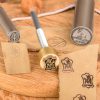
The procedure is a little different for stamping. Stamped impressions normally require less force with softer metals, such as aluminum and brass. Stainless steel is harder, so it needs stronger tools and firmer strikes to create the marking properly.
If you’re planning to stamp your own tags, choose your metal stamps and tag material together. This helps you avoid using a stamp that isn’t suited to the surface you’re working with.
The finish matters, too. Plastic tags can be laser engraved, rotary engraved, hot stamped, or printed, depending on the material. Clear aluminum plates can also have their engravings darkened through acid oxidising to create a long-lasting black appearance.
So, don’t leave the marking method until the last minute. decide how you want the information to look before ordering. The material, finish and marking technique all work together to determine how readable your tag will be.
Final Checks Before Ordering Custom Identification Tags
Before placing your order, go through 4 simple checks to make sure your tags are right for the job. Just a little consideration now can help you to avoid common issues like purchasing the wrong material, ordering the wrong size, or receiving the engraved text with an error after delivery. Before placing your order, check items off this list:
- Confirm the Working Environment: Check moisture, chemicals, heat, sunlight and handling conditions and select the material with the most severe exposure.
- Verify Material Specifications: Make sure you are ordering exactly what you are looking for, verify material, grade, finish and thickness, particularly in stainless steel.
- Review Tag Requirements: Ensure that the size, shape, holes or adhesive backing, corner type and number are correct for each tag to ensure a proper fit and attachment.
- Check Identification Details: Proofread all characters, numbers, layouts, and ensure the marking method and size of text are easy to read.
Don’t rush through the final review. even a small mistake in a serial number or equipment label can cause confusion later. Check the details once more before giving the order the green light.
Get Durable Engraved and Stamped Metal Tags From Short Order Products!
Looking for custom identification tags that suit your equipment and working conditions? Short Order Products makes custom laser-engraved tags in aluminum, brass, stainless steel and indoor and outdoor plastics. You can choose different shapes, sizes, holes, adhesive backing and corner styles from over 70 combinations of materials, finishes and colours on the engravings page.
Need just a small batch? That’s welcome, too. Labour costs stay low and custom quotes are available when your project needs something specific. You can also browse metal tags in blank, stamped, or engraved styles. And if you’re still unsure which material makes the most sense, the team will be happy to help you work through your options.
Your tags work hard every single day. so why trust them to the wrong material? Request a custom quote today. Let’s find tags that keep your equipment, parts and records clearly identified for years to come!
Frequently Asked Questions (FAQs)
Q1. Which material is best for outdoor identification tags?
Stainless steel and anodized aluminum are great outdoor options, as are outdoor rated plastics for lighter uses. Match the material with the moisture, salt and sunlight that the material will endure.
Q2. Is aluminum or stainless steel better for identification tags?
Aluminum can be engraved more easily and is lighter, stainless steel will stand up to harder conditions. Select the tag for use depending on the environment where the tag is going to be used and how long it will last.
Q3. Can plastic identification tags be engraved?
Yes! Plastic tags can be laser or rotary engraved, hot stamped, or printed. Just check the plastic type and its indoor or outdoor rating first.
Q4. How do you keep engraved tags readable for years?
Select a material that is resistant to damage, mark it clearly and with good contrast and avoid abrasive cleaners. Please proofread engraving information before placing an order.