Anyone can make a decision, but a smart one means considering a few important factors. The same applies to ordering custom engraved tags, and thinking through the details beforehand can help you choose an option that best suits your specific needs.
The purpose of these tags can vary depending on your needs. You could work in the manufacturing industry and need tags for machinery, tools, and equipment. Or, you could own a business and need tags for employee name badges, asset tracking, or safety and warning labels.
From choosing the right material to deciding what information to include, several factors can affect the tags’ functionality. In this guide, you’ll explore key factors you should consider before ordering custom engraved tags.
What Are Custom Engraved Tags?
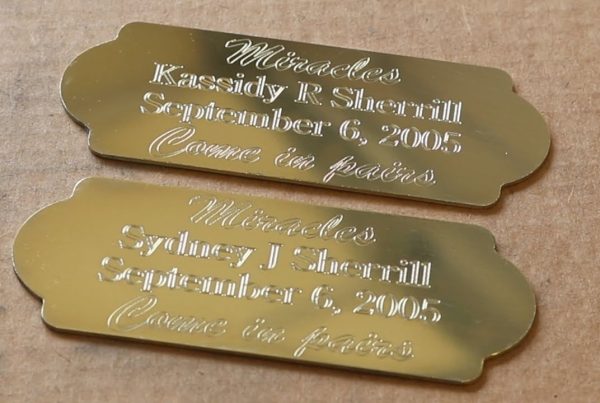
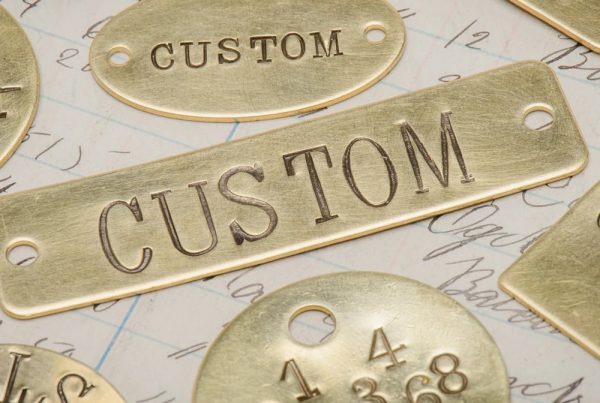
Custom engraved tags are solid identification labels, personalized with information such as names, numbers, serial numbers, logos, or other details. They are commonly used for equipment identification, asset tracking, inventory management, machinery, tools, and various industrial applications.
What makes these tags different is how the information is applied. Instead of printing details onto the surface, engraving etches them directly into the tag. Rotary and laser engraving are two common methods for creating these permanent markings, depending on the material and application.
The markings are designed to remain legible through regular handling and everyday wear, making them a practical choice for long-term identification.
For this reason, a custom engraved tag offers more than a generic tag with standard information. Businesses may specify the details, size, design, and other features they need based on the application. Each tag can be tailored to serve a specific purpose.
Choose the Right Material for Your Engraved Tags
Not all engraved tags are made to handle the same conditions. The material you choose should depend on where you plan to use the tags and what they’ll be exposed to. That said, a tag used indoors may not need the same level of durability as one placed outdoors.
Consider whether the tags will come into contact with moisture, chemicals, heat, or constant abrasion. To make the decision easier, here’s a quick comparison of common tag materials and where they work best.
| Material | Key Characteristics | Best For |
| Stainless Steel | Strong, durable, and resistant to moisture, corrosion, and wear | Outdoor equipment, machinery, and demanding industrial applications |
| Aluminum | Lightweight, durable, and versatile | Equipment identification, asset tracking, machinery, and general industrial use |
| Brass | Durable with a distinctive appearance and good readability | Nameplates, identification tags, and applications where appearance matters |
| Indoor Plastic | Lightweight, customizable, and suitable for controlled environments | Indoor equipment, office identification, asset tags, and general labeling |
| Outdoor Plastic | Designed for greater resistance to outdoor conditions and regular exposure | Outdoor identification, equipment, and applications exposed to weather |
Consider the Size and Shape of the Tag
The size and shape of custom engraved tags largely depend on the information you want to include. You don’t want to make the tag too large (or small) for the equipment or product. At the same time, you don’t want the details to be difficult to read.
So before you choose a shape and size, consider:
- Tag size: Go for a size that gives you enough room for the information you need while fitting the available space.
- Tag shape: Depending on your requirements, you may choose from different shapes, including rectangular, square, or custom options.
- Information: Consider how much information you need to engrave; be it names, serial numbers, asset numbers, or logos, all require different amounts of space.
- Readability: Avoid choosing a tag that is too small for the information to remain clear and easy to read.
- Mounting: See how the tag will be attached; check if it needs holes, slots, or another mounting option, and make sure the tag has enough space for it.
- Available space: Measure the area where you plan to place the tag before ordering to ensure a durable fit without interfering with the equipment or product.
Decide What Information to Engrave
As you recall from the previous section, the shape and size of custom engraved tags are highly influenced by the information meant to be included. The details you choose should help identify, track, manage, or provide important information about the object the tag is attached to.
Here are some types of information you can include on your engraved tags:
- Asset Numbers help identify and track specific equipment, tools, or property.
- Serial Numbers provide unique identification for individual items.
- Product Information displays important product or equipment details.
- Company Names or Logos show ownership information while adding the company’s branding to the tag.
- Safety Information communicates important warnings, precautions, or instructions.
- Contact Information makes it easier to reach the owner or responsible company when needed.
No matter what purpose your tag serves, the information you choose should be clear, relevant, and easy to read.
Review the Design, Text, and Engraving Details
The design, text, and engraving details are directly tied to the intended purpose of the engraved tags. We encourage you to thoroughly assess the information that needs to go on the tags. Not just that, but how the information is arranged also determines the tag’s overall readability and use.
Here are a few factors you need to be paying attention to:
- Spelling and numbers: Check names, numbers, codes, and other details for accuracy
- Logo/design accuracy: Make sure your logo or design is clear and correct
- Font and readability: Choose a font that keeps the engraving easy to read
- Tag dimensions: Pick a size that gives you enough space for the information you need
- Engraving placement: Decide where the text, numbers, or logo should appear
- Hole or mounting requirements: Consider where and how the tag will be attached
- Final proof/approval before production: Review the proof and confirm all details before production
Choose the Right Engraving Method and Depth
Custom engraved tags are defined by one primary characteristic: engraving. In this process, specialized engraving tools remove material from the tag’s surface to create permanent marks. But not every engraving job needs the same depth or level of detail.
Before ordering, consider:
- Engraving depth: Deeper engraving can make markings more noticeable and durable, especially when tags may experience frequent handling or wear
- Character readability: Text should be engraved at a depth and size that keeps names, numbers, and other details easy to read without appearing too shallow or crowded
- Fine details and logos: Small text, symbols, and logos may require a specific engraving method to preserve their details clearly
- Surface durability: Consider how much handling, friction, moisture, or external damage the tag will be exposed to
- Material and application: No engraving method works universally for every material and application, which is why both factors can vary
Consider Durability and Where the Tags Will Be Used
Choosing the right material and engraving also demands something more, like the environment the tags are meant to be used in. A tag used outdoors may be prone to weather and sunlight exposure. Similarly, a tag embedded on machinery may be constantly exposed to abrasion or chemical damage.
Just when you’re about to place the order for custom engraved tags, do consider the following environmental factors:
- Outdoor Use: Consider weather, sunlight, and moisture.
- Industrial Environments: Consider abrasion, chemicals, and heavy use.
- Indoor Applications: Focus on readability and long-term identification.
- High-Temperature Areas: Select materials suitable for elevated temperatures.
- Marine or Moisture-Prone Areas: Choose materials that can withstand exposure to water and humidity
Determine the Quantity and Budget Before Ordering
Certainty is better than a wild guess and overspending. We advise you to have a clear idea of how many engraved tags you need and what you want them to include. The quantity, customization, material, size, shape, and engraving details can affect the overall cost.
Consider the following factors altogether:
- Number of tags required: Start with the quantity you need for your equipment, tools, products, or other applications; it’ll help you avoid unnecessary reorders later
- Customization requirements: Reassess the information that needs to be engraved on each tag, as every custom detail can affect engraving requirements
- Material selection: Choose a material based on where the tags will be used and the level of durability they need
- Size and shape: The tag cost is also influenced by the size and shape of the tag, which may increase for custom sizes or less common shapes
- Engraving details: The more detailed the engraving is, the more effort and cost it’ll demand
- Potential cost differences based on order quantity: The cost per tag can vary depending on how big the bulk order is (the larger the order, the lower the cost per tag)
Custom Engraved Tags for Different Applications
Custom engraved tags serve different purposes. The specifics depend on where and how you plan to use these tags. Here’s a little overview of crucial information before you go:
| Application | Recommended Considerations | Common Information Engraved |
| Machinery and Equipment | Durability, heat, abrasion, and mounting | Equipment IDs, serial numbers, model numbers |
| Tools and Assets | Frequent handling, size, and easy identification | Asset numbers, tool IDs, company name |
| Inventory and Products | Clear identification and easy tracking | Product numbers, serial numbers, inventory IDs |
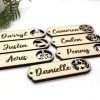
| Employee Name Badges | Readability, appearance, and comfortable size | Names, job titles, company name or logo |
| Safety and Warning Labels | Visibility, readability, and environmental conditions | Warnings, instructions, safety information |
| Outdoor Equipment | Weather, sunlight, moisture, and durability | Asset numbers, equipment IDs, identification details |
| Marine Applications | Water exposure, humidity, and corrosion resistance | Vessel names, identification numbers, equipment details |
Explore Custom Engraved Tags from Short Order Products
It’s not a very difficult task to order custom engraved tags. While the material, size, shape, engraving method, information, design, and application can be a bit overwhelming to consider altogether, understanding these factors can help you make a more informed decision.
Once you know what you need, you can avoid common issues, keep information readable, and order tags that are well-suited to their intended use.
Specializing in custom marking products since 1989, Short Order Products is committed to providing value at a much lower cost than most competitors in America. We pride ourselves on prioritizing our clients and delivering quality in-stock items, ready to ship, with fast delivery.
Go ahead, contact us today. You’ll get a response in hours, not days.
Frequently Asked Questions (FAQs)
Q1. What are custom engraved tags?
Custom engraved tags are personalized identification labels or markers used to organize, identify, categorize, or track items across physical products, equipment, tools, or vehicles. You can customize the information, size, material, and design based on how the tag will be used at Short Order Products.
Q2. What does custom engraving mean?
Custom engraving is the process of permanently cutting, carving, or etching a personalized design, text, or pattern into a solid surface like metal, plastic, or wood. Depending on the material and application, different engraving methods can create clear, long-lasting details on custom tags.
Q3. What are three types of engraving?
There are three common types of engraving, namely laser engraving, rotary engraving, and hand engraving. The right method can depend on the material, level of detail, and intended use of the tag. For custom engraved tags, the method is selected based on the requirements of the application.
Q4. What is the best metal to engrave?
There is no single best metal for every engraving application. Stainless steel, aluminum, and brass are common options, with each offering different characteristics. Stainless steel is considered a good choice for demanding environments.