When every product leaving your floor matters, every identification mark on it counts just as much. Factories, repair crews, and inspectors read those marks before they verify a part, so a smudged or missing number stalls the whole line.
Beyond daily operations, traceability rules have tightened across regulated industries – and quality teams now expect proof of where each unit came from. For this reason, auditors depend on accurate traceability records, making reliable marking more important. This is where sequential marking tools come in.
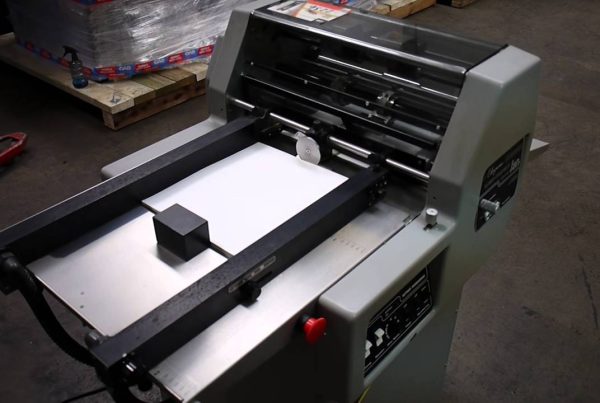
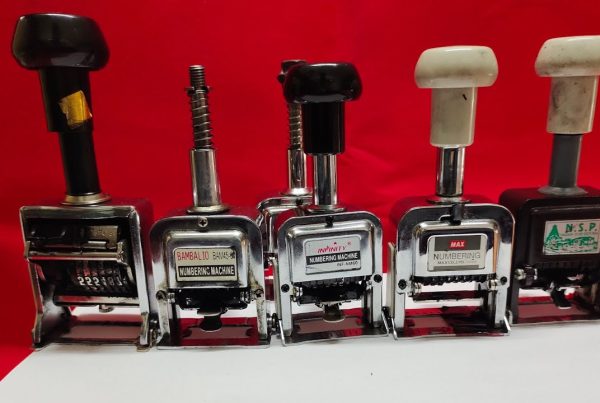
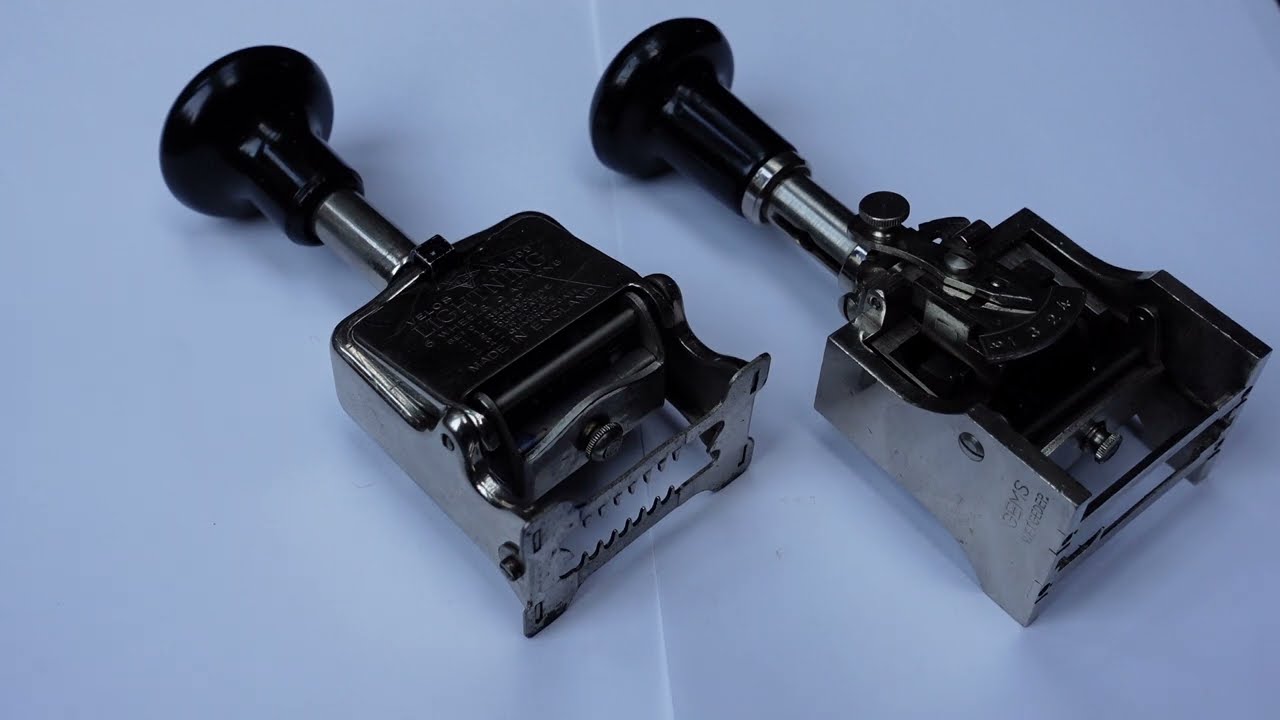
These reliable numbering machines press or print consistent digits onto paper, cartons, and metal components. By advancing the count automatically, they prevent repeated numbers and keep each mark legible for years to come.
Why Accurate Product Identification Matters Across Industries
Accurate identification matters because it links every unit back to its production record, which lets teams trace defects, verify quality, reduce identification errors, and satisfy auditors. Clear numbering also helps keep inventory records accurate when goods move between sites.
Beyond tracing, a printed sequence gives quality control a fixed reference during inspection, so a rejected part points straight to its batch. Similarly, warehouse staff pick faster when labels carry readable numbers rather than guesswork – and mistakes are reduced sharply. For compliance teams, marked components are far easier to verify than undocumented ones which helps shorten audits considerably.
Industry #1: Manufacturing Industry
Manufacturers mark parts as they leave the line, tying each unit to a shift, batch, and operator. Beyond individual components, hand stamps provide clear identification on boxes, tags, and travelers without slowing output. Here are 4 main applications in manufacturing:
- Product identification on finished goods and subassemblies
- Production tracking against daily output targets
- Quality assurance tied to each stamped unit
- Batch and lot control during product returns
Industry #2: Automotive Industry
Automotive suppliers stamp components so every bracket, housing, and fastener traces back to its source. With this level of traceability, numbering machines help engineers identify defects at the level of a single supplier lot rather than an entire model year. Here are the 4 common uses on the assembly line:
- Component traceability from casting through final assembly
- Vehicle part identification on service and spare stock
- Supplier quality checks for incoming batches
- Warranty and product issue tracking
Industry #3: Aerospace and Defense
Aerospace and defense builders stamp identification codes onto critical hardware because inspectors must confirm the history of every flight component. That is why permanent marks must remain readable years after installation.
4 common applications include:
- Critical component identification on structures and fasteners
- Regulatory compliance across FAA and military specifications
- Lifecycle traceability throughout the component’s service life
- Maintenance documentation that references the original mark
Industry #4: Metal Fabrication and Machine Shops
Fabricators and machine shops label raw stock, finished parts, and tooling with hand-held units to keep each job’s parts organized and easy to track. By marking parts early, shops can prevent mix-ups during welding or assembly. Here are 4 ways shops use these units:
- Part number identification on plate, tube, and bar
- Managing multiple custom fabrication orders at the same time
- Tool identification for dies, fixtures, and jigs
- Job tracking from work order to shipping
Industry #5: Packaging and Printing Industry
Packaging and printing operations number cartons, labels, and press sheets so each production carries its own code. To meet different material needs, rubber face models mark corrugated cases cleanly while inkjet units handle coated stock.
Packaging lines commonly use numbering machines for:
- Batch numbering across every printed run
- Production date identification on cases and cartons
- Product coding that matches the customer specification
- Inventory management once pallets reach the dock
Industry #6: Warehousing and Distribution
Warehouses mark bins, pallets, and outbound cartons so stock remains traceable as volume increases. For this reason, handheld markers allow staff to code cases right at the dock instead of moving them to a separate printing station.
4 common warehouse applications include:
- Inventory identification on received and stored goods
- Asset tracking for racks, carts, and equipment
- Shipping and logistics support for outbound freight
- Warehouse organization by storage zone and picking order
Industry #7: Medical Device and Healthcare Manufacturing
Medical device manufacturers mark units because regulators require a traceable identity for products used in healthcare. For this reason, marking each device during manufacturing keeps product records accurate and connected to the physical unit. The 4 marking applications include:
- Device traceability from component to sterile pack
- Regulatory requirements under UDI and FDA rules
- Product identification on trays, cases, and instruments
- Quality documentation that inspectors can verify
Industry #8: Construction and Industrial Equipment
Construction firms number machines, attachments, and spare parts so crews know exactly which equipment belongs on each site. Since these markings need to withstand tough job-site conditions, stamped identifiers survive mud and years of rough handling far better than a sticker.
Crews use numbering machines for 4 main applications:
- Equipment identification across owned and rented fleets
- Maintenance records tied to a single unit number
- Fleet asset tracking between yards and job sites
- Inspection programs that track each numbered machine
Industry #9: Energy, Utilities, and Infrastructure
Utilities mark valves, meters, transformers, and pipe sections with portable markers because field crews must identify assets spread across hundreds of miles. With clear markings, the crew can complete inspection visits faster. Their day-to-day role includes:
- Equipment traceability for parts installed in the field
- Maintenance scheduling based on numbered asset records
- Asset lifecycle management from install to replacement
- Regulatory documentation for safety and environmental filings
Industry #10: Electronics and Electrical Manufacturing
Electronics manufacturers number boards, enclosures, and harnesses so each unit has a serial that follows it through test and shipping. These markings need to stay clear on different surfaces so portable inkjet markers use quick-dry ink that adheres to plastic and coated metal.
Electronics builders use them for:
- Component identification on boards and subassemblies
- Production control across shifts and work cells
- Warranty tracking linked to each serial number
- Quality inspection records at the final test
Choose the Right Numbering Machine for Your Industry from Short Order’s Numbering Machine Collection!
Every industry marks parts for the same reason, but the right tool depends on the surface and the volume. That is why Short Order Products offers numbering machines for paperwork, handheld inkjet markers for metal, plastic, and glass, plus ink and custom builds for a wider range of marking jobs.
From there, the choice becomes simpler: begin with the material, then match the machine to the number of marks you make each day.
Explore the collection today and choose the model that best fits your production line.
Frequently Asked Questions (FAQs)
Q1. How do I choose the right numbering machine for my industry?
Start with the surface you mark and the volume you run daily. From there, choose the right marking method: paper and cartons suit mechanical wheel models, while metal, plastic, or glass are best suited for a handheld inkjet marker.
Q2. Why is accurate product and component numbering important?
Accurate numbering helps track each product back to its batch record. This means quality teams can find and fix issues quickly while auditors get the records they need.
Q3. Can one numbering machine be used for different products or production lines?
Yes, if the materials are compatible. For example, a single handheld marker can be used for packaging and metal parts. However, when different materials need to be marked – like paper and steel – many shops use separate machines instead of switching inks.
Q4. What should I consider before buying an industrial numbering machine?
Check the wheel count, repeat settings, ink type, and whether the frame can reach your marking area. For more specific needs, custom builds can handle applications that standard models cannot. Also, ask about available options before making a decision.