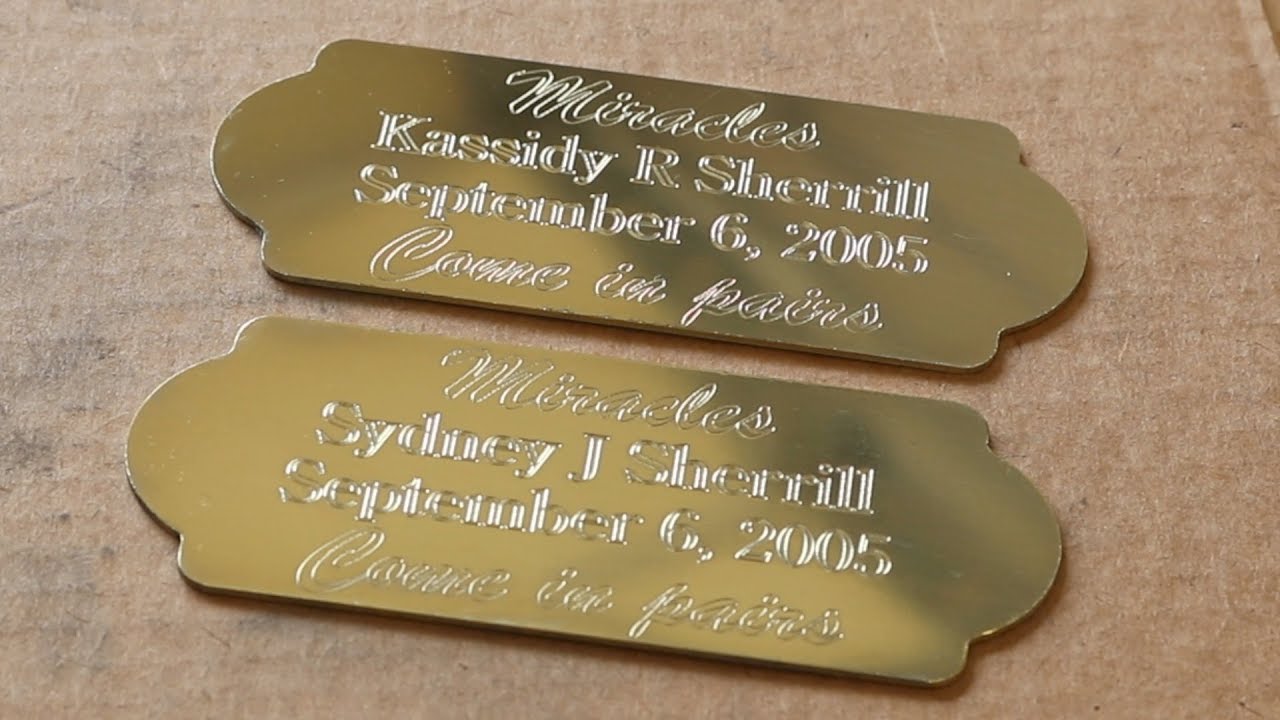
A tag takes up barely any space on a machine, yet the information on it does an important job every day. It helps crews move equipment between sites and helps maintenance teams identify equipment with labels that stay readable through years of grease and weather.
For lasting identification, most applications use one of two permanent marking methods: engraving or stamping. Engraving removes material to form each character, while stamping presses characters into the surface. Because both methods create a permanent mark in the material, the resulting tags can last much longer than printed labels.
That durability is useful, but the better choice depends on the information the tag needs to carry and the conditions it will face. The sections below explain where engraving and stamping work best, so you can choose the right method before ordering custom engraving work.
What Are Engraved Tags?
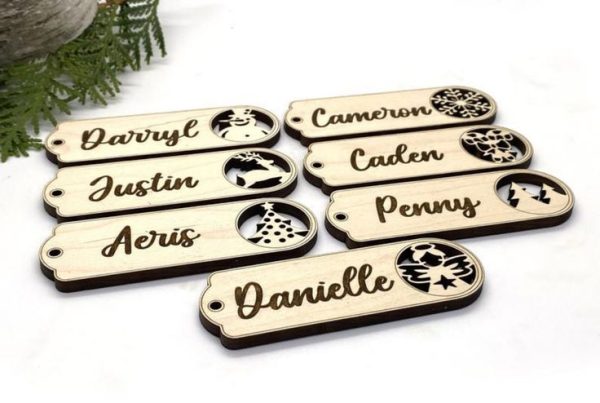
Engraved tags carry information etched directly into the surface of metal or plastic. To create that mark, a laser or rotary cutter removes material to form each character, so the mark sits below the surface rather than on top of it.
That depth helps the mark withstand surface wear. Even as abrasion, cleaning chemicals, and sunlight wear the face of a tag, the engraved character underneath remains intact.
These benefits make engraved tags useful across a range of applications. Below are 6 features that appear on engraved tags more often than others.
- Asset numbers tying a machine to an inventory record
- Serial numbers for warranty and service history
- Equipment names on panels and control cabinets
- Safety information workers check before operating
- Company logos on nameplates and badges
- Barcodes or QR codes where the surface allows scanning
Facilities put that detail to work across 5 jobs:
- Equipment identification on production lines
- Asset management across multiple buildings
- Machinery identification for maintenance crews
- Custom nameplates on panels and doors
- Facility identification for rooms and utility points
What Are Stamped Tags?
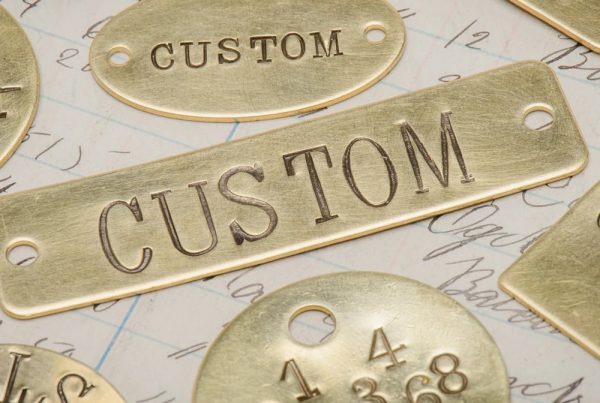
Stamped tags carry characters pressed into the metal under force. To create those characters, a steel die, or band stamp pushes the material aside instead of removing it, leaving a recessed impression. The band stamp affects how clear and consistent that mark is, so choosing the right band stamp for your application is important. Because the impression is part of the material itself, it stays readable even with regular wear.
That built-in mark is what sets stamped tags apart from surface printing. Ink and paint sit on the printing, so solvents and sunlight can strip them away over time. By contrast, stamped characters remain part of the material, so they can last far longer than surface coatings.
5 types of information cover most stamped tag orders:
- Serial numbers that follow a part through service
- Part numbers matched to engineering drawings
- Asset IDs shared by maintenance and inventory teams
- Batch or lot codes for traceability
- Identification codes for internal tracking systems
6 settings account for most of that work:
- Industrial equipment under constant contact
- Components and parts requiring permanent numbering
- Manufacturing lines producing the same parts in multiple batches
- Construction sites where dust covers everything
- Utility installations left outdoors for decades
- Maintenance programs tracking repairs over time
Engraved Tags vs Stamped Tags: What’s the Difference?
Engraved and stamped tags differ in how the marks are etched on a surface and what the finished mark can hold. Engraving cuts fine detail into the surface, while stamping pushes larger character shapes into the metal with force.
Here are the 7 factors buyers compare most often:
| Factor | Engraved tags | Stamped tags |
| Marking method | Laser or rotary cutting | Die presses the surface |
| Appearance | Fine lines, high contrast | Recessed and industrial |
| Customization | Logos, artwork, and codes | Letters and numbers |
| Common applications | Nameplates and asset tags | Parts and field equipment |
| Variable information | Changes tag to tag | Die sets the characters |
| Durability | Strong indoors and outdoors | Survives abrasion and impact |
| Best fit | Detailed, readable identification | Repeat part marking |
Engraving vs Stamping: How the Marking Processes Differ
The two processes move material in opposite directions. Engraving removes material from the surface, while stamping pushes it into the surrounding metal, and this difference shapes the finished tag.
5 process factors become important when you place an order:
- Engraving removes material, while stamping displaces it
- Cut edges appear sharper than stamped marks
- Engraving depth supports fine detail, while stamping works well for heavy handling.
- Laser setups reproduce the same artwork across long production runs
- Stamping produces the same marks quickly once the die is made
How Material Selection Affects Engraved and Stamped Tags
Material choice determines how long a mark remains readable and how well the tag withstands its working conditions. Some metals engrave cleanly, while others hold a deep stamped impression better.
4 materials cover most tag orders:
- Aluminum: Anodized and lacquered aluminum engrave cleanly with a laser and resist corrosion outdoors.
- Stainless steel: Hardness and corrosion resistance allow it to retain stamped impressions in harsh conditions.
- Brass: A traditional finish for nameplates and disks, and it engraves with sharp contrast.
- Acrylic and other plastics: Indoor and outdoor grades suit legend plates and key tags, and they favor engraving.
When Should You Choose Engraved Tags?
Engraved tags fit best when they need to carry detail and stay easy to read.
5 situations point that way:
- Detailed information must fit on the tag face
- Text must remain readable from several feet away
- Equipment and asset numbers must match across the facility
- Custom nameplates need a finished appearance
- Consistent appearance matters across every department
When Should You Choose Stamped Tags?
Stamped tags suit rough environments where the mark must withstand contact.
5 cases fit that profile:
- Permanent part identification on components
- Serial and identification numbers on assemblies
- Marking parts during manufacturing and fabrication
- Applications requiring a physical impression
- High-volume industrial marking of the same parts
Engraved vs Stamped Tags for Different Industries
Many industries depend on accurate marking identification more than personal preference. For workplace safety applications, OSHA’s requirements address accident prevention tags that identify hazardous conditions and carry safety messages to employees.
The 8 industries below show where engraving and stamping each fit best:
| Industry | Engraved tag use | Stamped tag use |
| Manufacturing | Machine nameplates | Part numbering |
| Construction | Equipment labels | Tool identification |
| Utilities | Valve and panel tags | Line markers |
| Oil and gas | Panel plates | Pipe identification |
| Warehousing | Rack and bin labels | Container codes |
| Government facilities | Room and asset plates | Fleet tags |
| Healthcare | Equipment nameplates | Instrument numbers |
| Maintenance | Inspection plates | Repair tags |
Explore Engraved Tags and Stamped Tags from Short Order Products’ Collection!
Choosing between the two comes down to what the tag must carry and where it has to survive. For detailed markings, engraving works well; for deeper marks and rough conditions, stamping is the better fit.
Whichever method you choose, Short Order Products makes engraved and stamped tags in aluminum, brass, stainless steel, and indoor or outdoor plastics, with custom shapes and mounting options.
Send your specs today and get your custom tags into production.
Frequently Asked Questions (FAQs)
Q1. How long do engraved metal tags last outdoors?
Engraved metal tags commonly last 10 30 years outdoors when the metal suits the exposure conditions. Anodized aluminum and stainless steel resist corrosion while the engraved character remains readable as the surface wears.
Q2. What factors should I consider before choosing engraved and stamped tags?
Start with the information the tag must carry, then consider the environment, material, and quantity. If the tag needs fine detail or logos, engraving is a good fit; for heavy handling or repeated part numbers, stamping works well.
Q3. Are engraved tags suitable for compliance and safety programs?
Yes. Engraved tags suit compliance and safety programs because the engraved mark resists fading and remains legible during inspections. That clear, lasting mark also makes it easier for facilities to match each tag’s asset or equipment number to a documented record.
Q4. What industries commonly use engraved tags?
Manufacturing, utilities, construction, healthcare, and government facilities commonly use engraved tags. These tags are useful wherever equipment needs a durable name, number, or safety instruction that remains readable over time.