Your product identity starts with one press. In manufacturing and production, accurate marking decides whether a production cycle runs smoothly. One wrong batch code can stop the production line, trigger a recall or lead to a failed audit.
As traceability, inventory checks and compliance requirements keep tightening, operators need marking tools that adapt fast. Band stamps provide that flexibility by allowing teams to update dates and lot numbers without changing setups. This flexibility also extends to the branding tools offered by Short Order Products.
However, picking the wrong stamp slows production and shortens tool life. In this blog, you’ll find a clear walkthrough on choosing the right band stamp for your application.
What Is a Band Stamp?
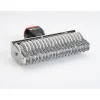
A band stamp is a hand-held marking tool with rotating character bands, allowing operators to change the imprint (letters, numbers or both). As a result, it reduces the need to buy a separate stamp for each code. Because of this design, each band turns independently within the holder, enabling quick adjustments. From there, operators align the exact required sequence, lock it in place and press it against the surface. This produces a clean marking on metal, plastic or wood.
In practice, operators rely on these tools to mark dates, batch identifiers, part numbers, lot codes and inspection symbols across production runs. They are widely used across industries like automotive manufacturing, aerospace, food packaging, electronics assembly and metal fabrication. So when a single production line handles multiple SKUs, band stamps are often preferred over fixed-character alternatives.
Why Choosing the Right Band Stamp Matters
The right band stamp directly affects how cleanly you trace defective batches, pass quality checks, reach production targets and meet regulatory standards during audits. As a result, its impact becomes apparent immediately. For example, a sharp, readable mark on every unit helps teams to complete recall investigations in hours instead of days. It also makes it easier to isolate a defective lot without manually searching through entire warehouses.
Beyond traceability, production efficiency depends on the same decision. For instance, stamps with worn characters or wrong sizing force operators to redo marks which slows throughput and adds friction across the shop floor. In addition, regulated industries (food, medical devices, aerospace) require legible markings that withstand transit, washing and temperature fluctuations. That’s why the tool you choose determines whether audits run smoothly. Importantly, the real cost of a poor choice rarely shows up in the purchase price. Instead, it shows up months later as scrap rates and slower production.
Understanding Different Types of Band Stamps
Band stamps come in four main types, each built for a specific marking job. And the right one depends on whether you’re stamping plain letters, plain numbers, a combination or fully customized characters. Each category fits a different production workflow. Here are the four categories you’ll come across most often:
- Alphabet Band Stamps: Operators use rotating bands of letters A through Z to mark words, names or alphabetical codes on parts and packaging.
- Number Band Stamps: Numeric bands from 0 to 9 handle date codes, serial numbers, batch identifiers and any purely numeric marking on the line.
- Alphanumeric Band Stamps: A single tool combines letters and digits, suitable for mixed codes like part numbers, model identifiers or tracking strings.
- Custom Band Stamps: Configured with your logo, symbol set or unique character lineup for specialized marking that standard stamps can’t handle.
Things to Look For Before Getting Band Stamps
Pick a band stamp by matching it to your work environment, the size your marks need to read at and the surface you’ll stamp on most often. Otherwise, a mismatch on any one of these turns a useful tool into a daily frustration that compounds over time. That’s why most selection mistakes occur when teams prioritize price over conditions. Here are three checks before placing an order:
- Consider Your Production Environment: Heat, dust, oil and washdown cycles all wear down stamps so heavy-duty industrial settings require hardened steel over standard finishes.
- Choosing the Right Character Size: Marks read by scanners or inspectors need character heights that match those requirements, with smaller fonts reserved for tight component spaces.
- Selecting the Right Marking Material: Soft metals, hard alloys, leather and plastics each respond differently to stamp impact, so band hardness should match what you’re marking.
How Different Industries Choose Band Stamps
Different industries choose band stamps based on what they mark, how strict their traceability rules are and how harsh the production environment is. As a result, these criteria vary across sectors like machine shops, warehouses and inspection labs. Here’s how five major sectors approach the choice:
- Manufacturing Applications: Operators choose hardened band stamps for serial numbers and part codes on metal castings and machined components.
- Packaging Operations: Packaging lines favor adjustable stamps for date codes and lot numbers that shift with every product changeover.
- Warehousing and Logistics: Warehouse teams choose band stamps for crates, pallets and containers with destination codes clearly visible under dock lights.
- Quality Assurance Programs: QA inspectors mark pass/fail codes and inspector IDs on tested units that supports a clear audit trail.
- Product Traceability Systems: Companies tying every unit to a digital record use custom band stamps that match scannable formats.
Look at Band Stamp Collection & Find the Right Band Stamp for Long-Term Success!
Choosing a band stamp means finding the right fit for your work area, character size needs and industry rules. From there, the four main types – alphabet, number, alphanumeric and custom – cover most marking jobs on a production line. Beyond the type, the material, finish and build quality also matter because they affect how long the tool will last. As a result, the right band stamp today saves real hours of rework next year.
That is why Short Order Products offers band stamps built for industrial use, with the precision, speed and consistent quality needed for thousands of impressions. Browse the collection today and bring the right tool into your next production line.
Frequently Asked Questions (FAQs)
Q1. Can band stamps be used for batch and lot coding?
Yes. Band stamps work well for batch and lot coding because operators can change the rotating bands quickly between runs without swapping out the full tool.
Q2. What is the difference between alphabet, number, and alphanumeric band stamps?
Alphabet stamps deliver only letters (A–Z) while number stamps deliver only digits (0–9). Alphanumeric stamps, on the other hand, combine both in a single tool for mixed codes like part numbers.
Q3. How durable are industrial band stamps?
Industrial band stamps made from hardened tool steel handle thousands of impressions on hard metals when used correctly. To make them last longer, keep them away from moisture and corrosive chemicals that can cause damage.
Q4. Are custom band stamps available for specialized applications?
Yes. Custom band stamps can be made with logos, symbols – or special character sets. They are useful for unique marking jobs that standard stamps cannot handle especially in custom or proprietary coding systems.