There’s a moment every brand should care about – the unboxing experience. It’s the first real interaction a customer has with your product, and within seconds – they’ve already formed an opinion: does this feel high-end, or does it feel forgettable?
That impression isn’t built by one big feature – but by small, intentional details. One of the most overlooked among them is the custom metal tags. Unlike standard paper labels or plastic stickers, metal tags carry presence. The weight, the texture, the subtle finish, all communicates care, quality, and permanence without saying a word.
This is why brands across fashion, furniture, and lifestyle products – are moving toward custom metal tags. Not just to label their products – but to quietly enhance how those products are experienced from the very first touch.
What Are Custom Metal Tags?
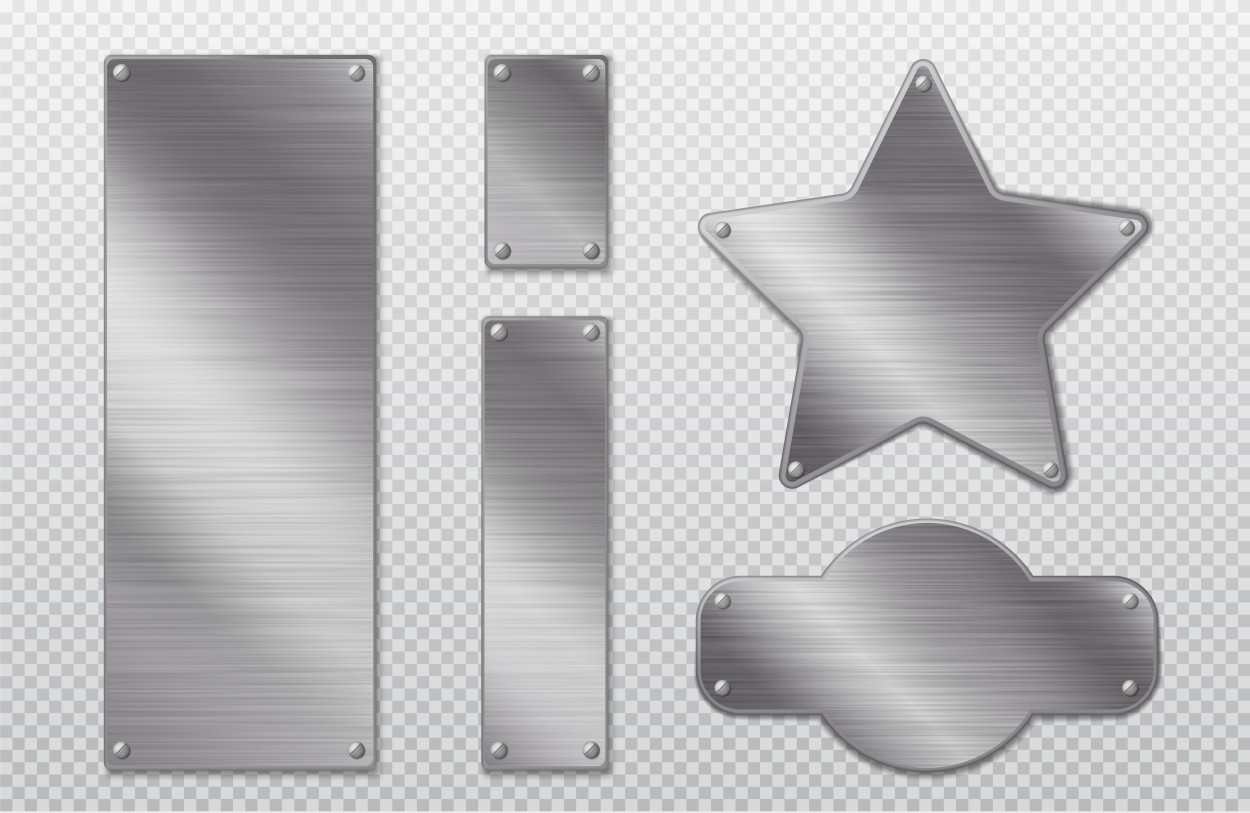
To begin with, customized metal tags are specialized branding components made from materials such as stainless steel, aluminum, brass – or zinc alloys. These tags are created using techniques like laser engraving, chemical etching, stamping, or embossing to display logos, serial numbers – or product details.
Unlike conventional labels – these tags are designed for longevity and resilience. They can withstand environmental stressors, including moisture, UV exposure, and abrasion, without fading – or losing clarity. Custom metal labels serve both functional and aesthetic purposes, acting as permanent brand identifiers while enhancing the overall look – and perceived quality of a product.
What Makes Custom Metal Tags Feel “Premium”?
Custom metal tags bring that premium feel through their durability, visual clarity, and tactile presence, all of which work together to elevate both the product – and the brand it represents.
High Quality Materials That Signal Value
- Firstly – the use of high grade metals inherently conveys quality. Materials like anodized aluminum or brushed stainless steel used in custom metal tags – create a perception of durability and sophistication.
Precision Manufacturing That Enhances Detail
- It’s not just about the material – it’s how it’s made. Techniques like CNC machining and fiber laser marking allow for fine details – and clean finishes. The result is sharp text, clear logos, and a polished look that instantly feels more refined – and well made.
A Tactile Feel That Adds Real Impact
- Equally important, the physical weight and texture of metal tags provide a sensory experience. When customers interact with a product, this tactile feedback subconsciously reinforces premium quality.
Finishes That Match Your Brand Identity
- Beyond the base material – the finish makes a big difference. Options like electroplating, powder coating, and anodizing – allow brands to match their tags with their overall look and feel. These finishes add depth, texture, and a distinct character – that helps the product stand out.
Built for Long-Term Use and Durability
- Durability is what truly sets metal tags apart. Metal Tags Custom resist fading, peeling, and everyday wear, ensuring that the brand message remains intact throughout the product lifecycle.
Custom Metal Tags vs Traditional Labels
As we move forward, it becomes essential to compare custom metal tags with traditional labelling methods to understand their true value proposition.
Feature |
Custom Metal Tags |
Traditional Labels |
Material Type |
Metal | Paper, plastic or fabric |
Durability |
Durable and weatherproof | Susceptible to damage |
Aesthetic Value |
Premium and tactile finish | Basic or flat appearance |
Customization Scope |
Extensive | Limited to print design |
Lifecycle Cost |
Cost-efficient over time | Requires frequent replacement |
Brand Perception |
High-end and professional | Standard or economical |
Clearly, while traditional labels may serve basic identification purposes – metal tags provide a long-term branding advantage that justifies their investment.
Where Brands Are Using Custom Metal Tags Today
Custom metal tags are used across industries where durability, branding, and visual appeal matter. They serve both functional and aesthetic purposes, helping brands reinforce identity, communicate quality, and elevate the overall product experience.
Fashion and Apparel Industry
- To start with, premium fashion brands incorporate metal tags into garments – such as denim, jackets, and handbags. This not only enhances brand visibility but also adds a signature design element.
Furniture and Interior Design
- Similarly, furniture manufacturers use metal tags to highlight craftsmanship and authenticity. These tags often act as a mark of quality assurance and heritage branding.
Industrial and Manufacturing Sectors
- In industrial applications, metal tags are widely used for asset identification, compliance labeling and safety instructions. Their durability makes them indispensable in harsh environments.
Automotive and Engineering
- In the automotive and engineering sectors, metal badges and tags are often used to highlight model identity and reinforce brand presence. Beyond identification, they play an important role in the overall design – adding a sense of quality and attention to detail.
Luxury Packaging and Retail
- Luxury brands use custom metal tags in packaging to create a memorable unboxing experience. This small detail significantly enhances perceived value and customer satisfaction.
How Custom Metal Tags Influence Customer Psychology
The impact of custom metal tags goes beyond appearance – they shape how customers perceive the brand. Through visual appeal and tactile experience – these tags subtly influence buying decisions and strengthen emotional connections with a brand.
Perceived Value and Quality
- Customers often associate metal with strength, durability – and reliability. This perception naturally increases how valuable a product feels, making it appear more premium and well crafted.
Stronger Brand Trust
- Metal tags feel permanent – and that sense of durability reflects stability and professionalism. As a result, they help build trust and credibility, reassuring customers about the quality of the brand.
Enhanced Sensory Engagement
- Touch plays an important role in how customers perceive quality. The feel of metal tags custom creates a more tactile – memorable experience that helps strengthen brand recall and makes the product stand out.
Visual Market Differentiation
- Metallic finishes reflect light uniquely, making products stand out on shelves. This visual distinction can – directly influence purchase decisions.
Emotional Brand Connection
- Lastly, thoughtful design details can create a stronger emotional connection with customers. When a product feels carefully made, people are more likely to value it and keep it for longer.
How to Choose the Right Metal Tags for Your Brand
Choosing the right tag involves balancing design, material, and functionality, to ensure it aligns with your brand.
Align with Brand Identity
- To begin with, ensure that the tag design reflects your brand positioning. For example, a luxury brand may opt for gold-plated custom metal tags – while industrial brands may prefer brushed steel.
Select the Right Material
- Next, consider where the it will be used. Aluminum is lightweight, making it a practical choice for many applications. Stainless steel, on the other hand, offers greater strength and durability for more demanding environments.
Asses Finishing Techniques
- Choose finishes that complement your product design. Matte finishes offer a subtle, refined look while polished surfaces create a more striking – and eye catching appearance.
Determine Attachment Methods
- Consider how the tag will be attached. Options like rivets, adhesives, or screws should be chosen based on durability – and how well they integrate with the product design.
Focus on Design Clarity
- Finally, prioritize legibility and design precision. Clear engraving, proper spacing, and high contrast – are essential for both functionality and aesthetics.
Make Every Detail Count
In the end, metal tags are far more than decorative additions; they are powerful branding tools – that communicate quality, durability, and attention to detail. As brands continue to compete for consumer attention – using every design element becomes essential.
If you’re looking to elevate your brand image – adding custom metal tags made by Short Order Product can help create a cohesive and premium experience that resonates with customers. Ultimately, it is these small yet impactful details that differentiate ordinary products – from truly exceptional ones.
FAQs
-
Are metal tags suitable for all industries?
Yes, they are versatile and can be adapted for industries – ranging from fashion to heavy manufacturing.
-
Do metal tags require special maintenance?
No, because most metal tags are designed to be low maintenance and resistant to environmental damage.
-
Can metal tags be eco friendly?
Yes, many metals are fully recyclable, making them an environmentally responsible – and sustainable choice for branding.
-
How long do metal tags last?
They are designed for long term use – and can last for years without significant wear or fading.
-
Are they worth the investment for small businesses?
Absolutely. Even for small brands – metal tags can significantly enhance perceived value and brand positioning.