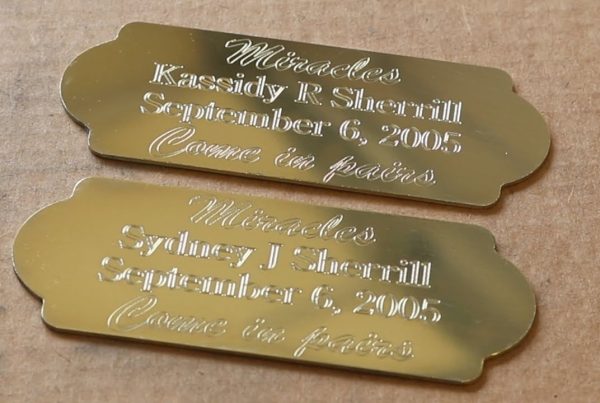
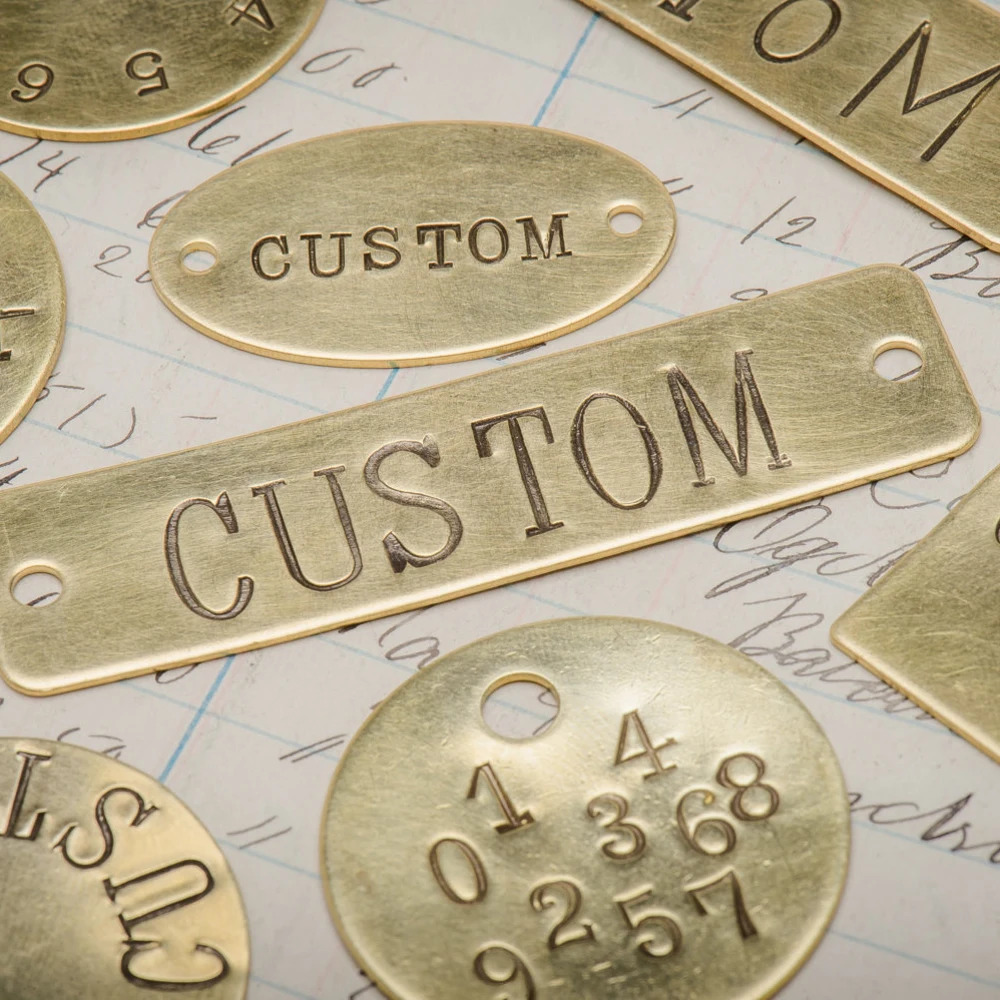
Choosing an engraved or stamped identification tag involves more than selecting a material or shape. Once installed, that small tag becomes a permanent source of information, helping businesses identify equipment accurately while supporting daily operations that depend on clear and long-lasting identification.
The importance of these tags goes beyond labelling. They help maintain asset records and make compliance easier by keeping essential details accessible. OSHA also requires certain tags to remain legible and permanently attached throughout the equipment’s service life, making durability a critical factor.
When the wrong tag is selected, problems appear over time. Faded markings, damaged surfaces and missing information can lead to replacement costs, maintenance delays and operational confusion. Understanding what to look for before purchasing engraved and stamped tags helps businesses build identification systems that continue working when needed most.
Why Engraved and Stamped Tags Are Used Across Industries
Pieces of equipment can move here and there to different locations and stages of use, but one thing that needs to be consistent is “identification”. Across manufacturing facilities, warehouses and industrial sites, engraved and stamped tags containing all the essential details for each asset, this leads well maintained organisation and managed equipment without unnecessary searching.
Behind each smooth operation, there’s a well-structured system keeping track of countless items. These tags usually support inventory management, safety programs and regulatory compliance by keeping a record of each detail clearly and accessibly. When every asset can be traced easily, the maintenance becomes super easy and daily operations stay controllable and manageable.
Choose the Right Tag Material for Your Application
Material choice affects more than just a tag’s appearance. It influences durability and readability in different working conditions. Since every application comes with unique requirements, choosing the right material helps ensure your identification tags remain reliable and visible throughout their service life. The most commonly used options include:
- Aluminum Tags
- Stainless Steel Tags
- Brass Tags
- Plastic Tags
Conditions Where the Tags Will Be Used
Where a tag will be used matters just as much as what is engraved on it. Because the same label rarely performs perfectly in every setting, you should match your material and finish to your specific environmental conditions before placing any orders. So, consider these common applications before making a selection:
- Indoor Applications: Standard aluminium or brass handles most indoor equipment without any coating.
- Outdoor Installations: UV-resistant finishes and stainless steel prevent fading and corrosion from weather exposure.
- High-Temperature Environments: Stainless steel tags hold up near engines and industrial ovens reliably.
- Chemical Exposure: Anodised aluminium or specially coated stainless steel resists pitting from harsh chemicals.
- Moisture and Marine Conditions: Marine-grade stainless steel resists salt corrosion better than standard metals.
- Heavy-Wear Industrial Facilities: Deep-stamped or engraved characters survive scraping, impacts, dropping and daily handling.
Determine What Information Needs to Be Displayed
A tag is only helpful if it carries the right details. Most industrial tags feature a specific combination of seven details, carefully chosen based on how the tag is used daily on the job site. The goal is to include details that serve a clear purpose, such as:
- Equipment Names
- Asset Numbers
- Serial Numbers
- Barcodes and QR Codes
- Safety Instructions
- Maintenance Information
- Company Branding
Evaluate Engraving and Stamping Quality
A tag can have the right information and still fail if the marking does not hold up in working conditions. Shallow engraving, uneven letters, or weak finishes can make important details difficult to read over time. Before ordering, check these quality points that directly affect tag performance:
- Character Depth and Clarity: Deeper engraving stays legible far longer than shallow surface marking.
- Permanent Readability: Text should be clear for decades, rather than fading after just a few seasons of outdoor exposure.
- Precision and Consistency: Even letters signals a shop that controls its process carefully.
- Resistance to Wear and Fading: Quality marking survives sunlight and repeated handling for years.
Select the Right Tag Size and Shape
Choosing the right size and shape comes down to where the tag will go and how much room you actually have. Keep these four things in mind before you order, especially if space on your equipment is tight:
- Matching tag size to available space.
- Standard vs custom dimensions.
- Hole placement and mounting options.
- Single-sided vs double-sided marking.
Understand Mounting and Attachment Options
A well-made tag still fails if it falls off, so the mounting method matters just as much as the material and engraving quality. Consider these five attachment options for your application, based on how and where the tag gets mounted:
- Screws and Rivets: These create the most secure, permanent mount for flat equipment surfaces.
- Wire Attachment: Wire works well for valves and equipment with irregular or curved shapes.
- Chains: Chains keep tags attached to moving parts or equipment that gets handled.
- Adhesive Backing: Adhesive suits smooth, low-vibration surfaces where drilling holes is not practical.
- Speciality Mounting Methods: Magnetic backing and custom brackets work for unique or temporary mounting needs.
Customization Options That Add Value
Beyond basics, customisation options can turn a simple tag into a useful business tool. Short Order’s engraving services provide flexible solutions for adding branding and important details based on your needs. With the right features, your tags can deliver greater value. So, explore the options that can make your tags more effective:
- Logos and Branding: Your company mark stays visible on every piece of tagged equipment.
- Sequential Numbering: Consecutive numbers make large batches of assets easy to sort and track.
- Variable Data: Each tag can carry information, like a specific serial number or location.
- Custom Fonts and Layouts: Text size, spacing, style and layout according to your exact specs.
- QR Codes and Barcode Integration: Scannable codes connect physical tags with digital records for faster access.
Explore and Select From Short Order’s Premium Engraved & Stamped Tags Collection!
By now, you have seen how the right material, size, mounting method and engraving quality all matter. Choosing the right tag helps reduce unnecessary replacements, prevent maintenance issues and keep your identification system working.
So your next step should be to ensure that the tags you order actually meet those standards. That’s where Short Order’s engraved and stamped tags come in. Manufactured in the USA with fast turnaround times, low minimum order quantities and specifications tailored to your exact application.
Browse our engraved and stamped tags today and choose your identification tags that are made to resist fading, cracking and everyday wear, so your equipment stays properly identified throughout its service life.
Frequently Asked Questions (FAQs)
Q1. What is the difference between engraved and stamped tags?
Engraving is a method of removing material to cut text and drawings into the surface, whereas stamping is a technique of pressing characters into metal with a die and pressure.
Q2. How long do engraved metal tags typically last outdoors?
Stainless steel and anodised aluminium tags have a lifespan of 20 years or more in the outdoors, depending on the climate and UV exposure.
Q3. Can engraved tags include both text and a logo?
Yes, Most tags have a company brand with equipment identification and particular data such as serial numbers, on a single surface.
Q4. What should I consider before purchasing engraved and stamped tags?
Select the appropriate material, size, engraving, mounting and information to be displayed. Also, consider the environment where the tag will be used.