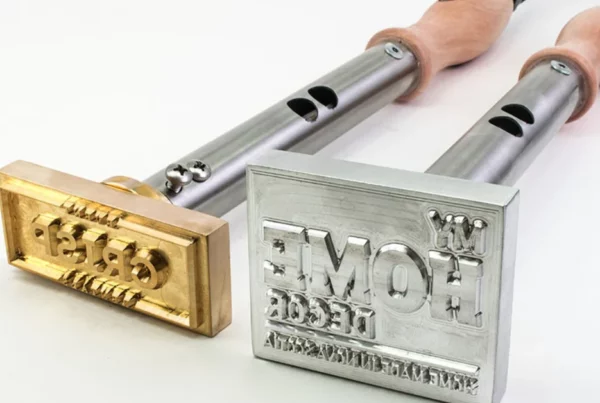

One firm strike. A sharp sound. And suddenly, a plain piece of brass carries a name, a date, or a message that won’t fade. That’s the appeal of stamping blank brass tags for engraving. It’s simple, hands-on, and highly satisfying.
Behind that clean impression, though, there’s a lot more that goes on, besides a hammer and a letter stamp. The type of brass you choose, the tools you use, and the way you apply pressure all impact the final result. With the right setup, even first-time stampers can create tags that look intentional and well-made using quality supplies from our store, Short Order Products.
Stamping 101: How Stamping Works with Blank Brass Tags For Engraving
Tools You’ll Need
To get started, you’ll need a few essential tools:
- Blank brass tags
- Steel letter or design stamps
- A steel bench block or an anvil
- A hammer or mallet
- Tape or stamping guides
- Safety glasses
Setting Up a Stable Work Surface
Everything begins with a stable setup, since the surface beneath your brass tag directly affects the final impression. A sturdy steel bench block or anvil is essential because it absorbs the shock of the hammer strike and keeps the energy focused where it belongs. Otherwise, if the surface has any give at all, the impression will come out weak or uneven. Once the blank brass tag is centered on the block, many stampers also use tape or guides to hold it in place, which helps prevent shifting and keeps spacing consistent.
Positioning the Stamp Correctly
With the tag secured, the next step is positioning the stamp. Steel letter and design stamps are placed vertically on the brass, making sure they’re straight before striking. At this stage, alignment matters more than speed. Even a slight tilt can distort the impression or cause part of the design to stamp deeper than the rest. For that reason, taking an extra second to check positioning often saves a lot of rework later.
Striking With Control and Confidence
Once everything is lined up, it’s time to strike. Here, control matters far more than strength. One firm, confident hit with a hammer or mallet is usually enough to leave a clean impression. On the other hand, tapping multiple times often leads to ghosted or doubled letters. If the strike is too light, the impression will look shallow and inconsistent. If it’s too heavy, the tag may bend, or the stamp may sink deeper than intended.
Why Brass Responds Well to Stamping
Brass works especially well for this process because it’s naturally soft and responsive, which allows it to accept impressions without excessive force. As a result, details come through clearly, making the material beginner-friendly while still delivering professional-looking results. That said, not all brass tags behave the same way. Thicker blank brass tags for engraving need a slightly stronger strike, while thinner ones benefit from a lighter touch to avoid bending or distortion.
Improving Results With Practice
Over time, the process becomes more intuitive. As you continue stamping, muscle memory develops, and your movements become more controlled. You begin to recognize how different gauges of brass respond, how your hammer feels mid-swing, and how much pressure creates a clean impression. With consistent practice and repetition, stamping becomes less about effort and more about rhythm, precision, and consistency.
People Also Ask
How to stamp a brass tag?
Place a blank brass tag on a firm surface, position the stamp, and give it one confident tap with a hammer. Using tape or guides helps keep it steady.
Is brass easy to stamp?
Yes! Brass is soft and responds well to stamping, making it beginner-friendly while still giving neat, professional impressions.
How to stamp names on metal?
Pick steel letter stamps, place them carefully on the metal, and tap each letter firmly. Guides or rulers help keep the name straight.
Tips for Clean and Even Brass Stamping
Getting crisp results takes more than just hitting the stamp. Small details really matter, and paying attention to them can make your tags look much cleaner.
- Start by securing your brass tag with tape. This helps keep it from slipping and makes sure your spacing stays even. Many beginners struggle with alignment, so using stamping guides or ruler markings can be a huge help as you get started.
- When it comes to striking, aim for one firm, confident hit. Tapping multiple times usually leads to uneven letters or ghosted marks. Let the hammer do the work naturally instead of forcing it, and you’ll get a cleaner impression.
- If your tag bends slightly during stamping, don’t worry. Brass is soft enough that it can be flattened again with a steel block or mallet. After stamping, small finishing touches, such as polishing, darkening the letters with ink or enamel, and smoothing edges, can really improve the overall look.
- With practice, stamping becomes easier and more consistent. Over time, you’ll start to feel how different thicknesses of brass respond and be able to create clean, even impressions with much less effort.
Bring Your Ideas to Life With Short Order Products
At Short Order Products, we believe creativity grows when you have the right tools in hand. Stamping blank brass tags for engraving, whether for fun or to establish a business around them, becomes much easier with quality materials.
We provide reliable blank brass tags, professional-grade metal stamps, and stamping accessories designed to support every skill level. Your ideas deserve tools that work with you, not against you.
Sometimes, all it takes is one finished piece to realize you’re capable of more than you imagined.
Order your brass tags from us today!
FAQs
How to write permanently on metal?
Stamping or engraving is the best way. The impression pushes or removes metal, creating a mark that won’t fade.
Can brass plating be done at home?
It’s tricky. Some DIY kits exist, but professional results usually need the right tools and chemicals. Our store offers high-quality brass tags ready for stamping.
What is the process of brass stamping?
Brass stamping uses pressure to push designs into the metal. You position the stamp, tap it with a hammer, and finish with polishing or ink for a clear mark.