Long before electricity and modern tools – a simple branding iron was all it took to mark cattle with a symbol that couldn’t be erased, scratched or washed away. Today, that same tool helps businesses leave their signature on wood, leather and products designed to last.
What’s changed isn’t the purpose – but the process. Back then, every mark relied on open fire, instinct and a bit of guesswork. But now you can control the heat precisely and choose between traditional fire heated options or modern electric ones. Both can leave a permanent mark – but they work very differently.
So which one is better? Keep reading to find out.
What Is a Traditional Iron?
A traditional branding tool is designed with a long metal handle so you can grip it comfortably while keeping a safe distance from the heat. At the end of the handle, there’s a solid metal head shaped into a specific design – like letters, numbers or a custom logo.
The branding face itself is thick and sturdy – which helps it stay hot long enough to leave a clear, lasting impression on the surface.
What Is an Electric Iron?
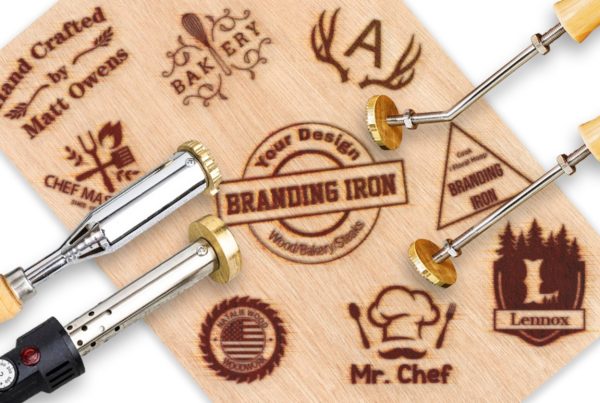
An electric branding iron is a modern version of the traditional tool – made for more control and consistent results. Rather than being heated over an open flame, it plugs in and warms up using a built-in heating element.
Like a traditional iron, it has a heat resistant handle and a metal branding head shaped into letters, numbers or a custom logo. Many models even let you adjust the temperature, making it easier to work with different materials.
Electric vs. Traditional Branding: The Showdown
While both tools are designed to leave a permanent mark – the way they perform in actual working conditions varies quite a bit. Looking at these differences side by side makes it easier to understand which option fits your needs better.
1) Ease of Use: Which One is More Convenient?
Traditional Iron
Using a traditional iron requires skill and attention:
1) Hold the metal head over an open flame – like a fire pit, propane torch or forge and heat it for about 3 – 5 minutes, depending on the size of the iron and your flame.
2) Since there’s no temperature gauge, you’ll need to rely on experience and check the heat by carefully touching the edge or watching the glow.
3) Press the iron firmly onto your material – whether wood, leather or livestock.
4) Hold it for 5 seconds, then lift it away to reveal the mark.
Electric Iron
An electric branding iron is a lot more easier to control and produce consistent results:
1) Plug in your iron and set the temperature for your material — for most wood or leather, somewhere between 400 – 500°F works well.
2) Wait for the indicator light to show it’s ready, usually 2–3 minutes.
3) Press the branding head firmly onto the surface and hold it for 5 seconds, depending on how deep you want the mark.
4) Lift the iron to reveal an even mark.
The consistent heat reduces the risk of uneven impressions or errors that usually happen with a fire heated iron.
2) Heat Control: The Most Important Difference
Heat is everything when it comes to branding. It’s what separates a clear mark from a frustrating result.
Traditional Iron
With a traditional iron, the temperature depends on several unpredictable factors:
- The size of the flame
- How long has the iron been heated
- Wind (if you’re outdoors)
- Distance from the heat source
Because of this the branding iron for wood or other materials might not get hot enough to leave a strong mark or it could become too hot and burn the surface. On top of that the metal head rarely heats evenly – which means one part of the mark might come out dark and sharp while another part appears faint or uneven – making each impression unpredictable.
Electric Iron
An electric branding iron uses a built-in heating element to evenly heat the metal. Most models come with a temperature dial or digital control – so you can set the exact heat you need and many also have a light to show when it’s ready. This makes sure the entire branding surface stays evenly hot – giving a clear, consistent mark every time.
Unlike traditional irons there’s no guesswork, uneven heating or risk of burning the material, making them far more safer and reliable for multiple items or delicate materials.
Curious about how to avoid common branding iron mistakes? Learn more in this guide about 5 Things You Must Know About Using Branding Irons
3) The Impact of Material – Wood vs. Leather
Wood and leather are the two most common materials used for branding. Each reacts differently to heat, which affects how the mark looks and how much care is needed to get the best results.
Wood
1) Softwoods (Pine, Cedar)
Softwoods burn easily – so an electric branding iron for wood is the better choice. It allows precise heat control, preventing overburning and leaving a clean, even mark.
2) Hardwoods (Oak, Maple, Walnut)
Both traditional and electric branding irons can work on hardwoods but electric irons give more control over the temperature. This makes it easier to get a sharp, consistent impression without scorching the wood.
3) Rustic or Outdoor Wood Projects
For outdoor projects – like fence posts, crates or weathered decorative signs a traditional iron iron for wood works well – since slight variations in the mark aren’t a problem and can even enhance the rustic, handmade look.
Leather
When working with leather, controlling the heat is especially important since it burns faster than wood. Too much heat can leave a dark, uneven mark that spreads beyond the design or even damages the surface. Electric irons are usually the safer choice here, providing even heat for clean and sharp marks – perfect for thin, delicate or detailed leather pieces.
4) The Difference of Working in Batches
If you are a business owner who needs to work on multiple products at once – then an electric branding iron offers a clear advantage.
- Heat stays consistent across all items.
- Marks are uniform, reducing rejected products.
- Production is faster, saving labor and time.
- Less risk of damaging premium materials.
On the other hand traditional irons require frequent reheating and careful attention – which slows down production and increases the chance of mistakes.
5) Upkeep – Which One is Easier to Maintain?
Traditional Iron
Although a traditional branding iron is simple – it requires regular care to keep it working properly. After each use, you need to clean off soot, ash and burnt material from the metal head – otherwise it will affect the quality of future marks. Moreover, rust can start to form if the iron isn’t properly stored, so keeping it in a dry, safe place is essential.
Electric Iron
Electric irons are much easier to care for. Since there’s no open flame, they produce very little residue – so all you need is a quick wipe of the branding head after use and storing it in a dry place to keep it in good condition for years.
Leave a Lasting Impression
All in all, choosing between a traditional and electric iron really comes down to your needs, materials and workflow. Traditional irons have classic charm and work well for rustic projects or occasional use – whereas electric irons are perfect for precise, consistent branding on wood and leather.
If you’re searching for a high quality branding iron for your projects, then look no further than Short Order Product. We offer a range of durable, reliable irons – both traditional and electric – built to give you neat, professional marks every time.