That small raised logo looks simple. Just pressure on paper, right?
Not quite. It’s the result of custom metal dies, precise alignment, skilled setup, test runs, wasted sheets, and time.
Embossing machines do the heavy lifting — but they’re only part of the story. Before a single finished piece reaches your hands, hours of preparation, and specialised equipment are already involved.
The price isn’t random. It’s built layer by layer — just like the emboss itself. From design tweaks and plate engraving to skilled labour, every step adds to the final cost.
What Is Embossing and How Does Embossing Machines Work?
In simpler terms, embossing is a printing technique that creates a 3D effect on whatever material you choose, so you can see and feel it, which increases the material’s appeal.
The process involves pressing a custom-designed metal die into the chosen material under high pressure. This reshapes the surface fibres, forming a raised impression without the need for ink. Sometimes, companies use heat or foil to enhance the visual impact, resulting in a clean, textured finish for depth.
5 Main Reasons Embossing Is Expensive
-
Metal Die
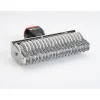
Every embossing project starts with a custom die. This is a precision-carved metal plate that holds the design. When pressed into material, it creates a raised or sunken effect.
The cost of a die typically ranges from $50 to $500, depending on the size and design detail.
Die makers use specialized techniques like chemical etching and hand engraving, which requires time, skill and precision – increasing the overall cost.
-
Machine Setup And Cost
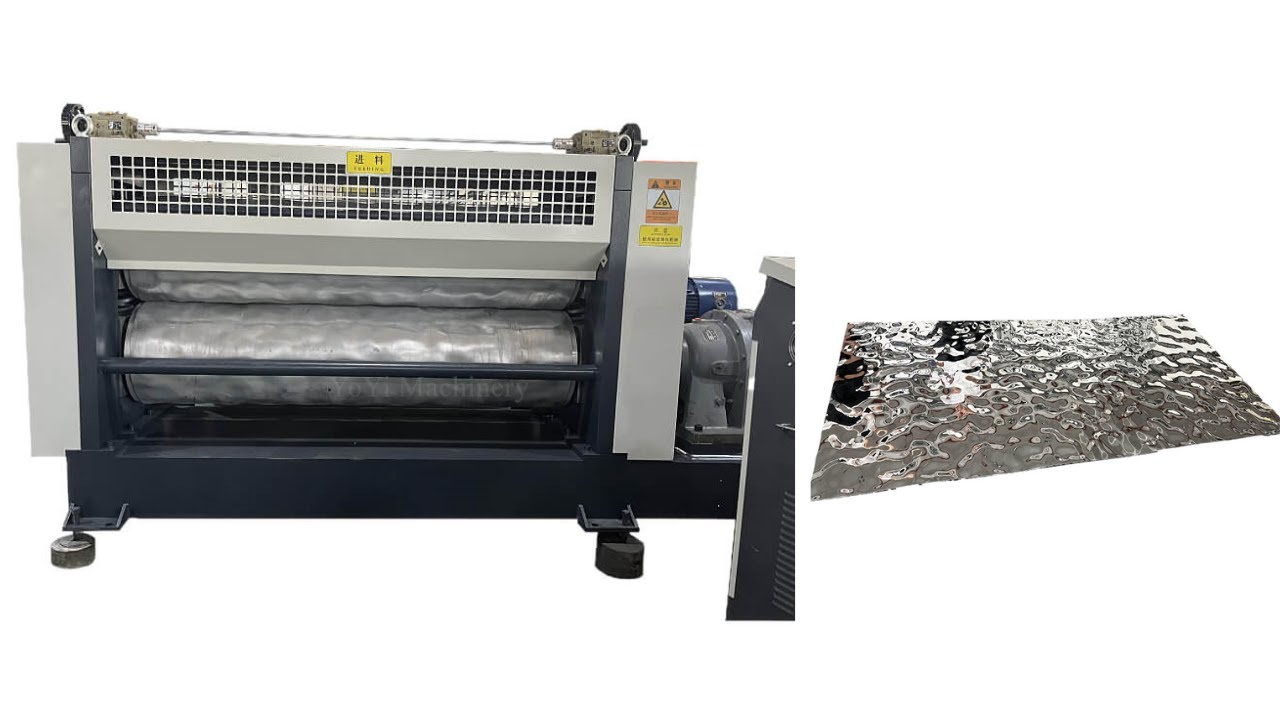
Embossing machines are a major investment. Depending on type and capacity, their cost can range from anywhere between $5,000 and $150,000.
There are several types of machines:
- Foil machines: Use heat and pressure to apply a metallic foil.
- Rotary machines: Suitable for high-volume production.
- Flatbed machines: Best for shorter runs and detailed designs.
These machines require skilled operators, regular maintenance, and replacement parts which increases the operational cost that reflects in pricing.
Fixed Setup Time
Setup time is one of the biggest cost factors – especially for small orders.
Before the production begins, a technician must:
- Mount the die
- Adjust pressure
- Control temperature
- Test impressions
This process can take 30 minutes to several hours, depending on complexity.
Moreover you need to understand that the setup time does not decrease for smaller orders. Whether you print 50 pieces or 5,000, the setup work is almost the same.
This is the reason why small orders have higher per-unit costs, while large orders spread the setup expense across more pieces.
-
Material Choice
Every material embosses differently. Premium quality materials like cotton paper, leather, and heavy cardstock produce cleaner, more defined impressions but they cost more.
They may require special handling or machine adjustments. While high-quality materials increase the price, they are necessary for a professional final result.
-
Skilled Labor And Precision Work
Embossing isn’t fully automated – it requires skilled operators who understand how to adjust pressure accurately, maintain consistent impressions, prevent misalignment and make real-time corrections.
Their experience helps prevent costly mistakes that can waste materials and delay production. Remember you are not just paying for the machine but for the craftsmanship.
-
Low-Volume Orders Are Almost Always Expensive Per Unit
When you pay for an embossing machine, you are covering:
- the full die cost
- setup time
- material cost per unit
- labor cost per unit
With small orders, like 50 pieces, these fixed costs are divided among few items, making each piece more expensive.
For large orders, like 5,000 pieces, those same fixed costs are spread out – lowering the per unit cost.
If you often need small quantities, ask your supplier about polymer dies or digital embossing options. They can be more cost-effective.
Embossing’s Cost: Based On Quantity
The cost for embossing usually depends on die complexity, order quantity, and material choice. So here’s a breakdown:
| Order Quantity | Estimated Cost Per Unit |
| 100 units | $3.00 – $6.00 |
| 500 units | $1.20 – $2.50 |
| 1,000 units | $0.60 – $1.50 |
Note: Prices vary based on design complexity, material, and supplier.
Key Factors Affecting Final Price:
- Die complexity — intricate designs cost more to produce
- Material type — premium paper or leather increases cost
- Additional processes — foil stamping or spot UV add extra charges
- Setup time — fixed cost spread across your order quantity
As the volume goes up, the per-unit price falls. This happens because fixed costs, like die and setup, are spread over more pieces.
Embossing: Worth the Investment Or Not?
Embossing machines bring a creative touch to your brand’s image. While they create a lasting impression, making your brand seem premium and stand out from others, people also remember tactile experiences. This improves your packaging, cards, and stationery, while increasing perceived value and brand recognition.
Ready to Emboss? Here’s Your Next Step
You came here wondering why an embossing machine costs so much – now you have the full picture. From custom dies to skilled craftsmanship — every cost reflects precision and quality behind the long process.
And here’s what truly matters: embossing isn’t just a printing technique — it’s a statement. It tells your audience that quality, details and experience matters.
So if you’re ready to move forward, start simple. Talk to a trusted supplier. Request a quote. Ask about the available die options, minimum order quantity and material choices. See what fits your budget and brand goals.
Don’t overthink it. Just take the first step. Talk to a trusted supplier like Short Order Product and explore your options.
FAQS
Is there any disadvantage of embossing or not?
Embossing works best on thicker materials, as thin paper may tear or warp under pressure. It’s also not ideal for very fine details, so proper design planning is important before production.
How can I tell if the leather is embossed?
Closely examine the surface – real leather has a natural, irregular grain, while embossed leather shows a uniformed design.
If the texture feels overly consistent and the pattern weakens at the edges, it’s likely embossed.
Does embossing deliver a luxury finish?
Embossing adds depth and texture, making products feel premium. It shows quality and care, making it work well for packaging, stationery, and leather goods.
Is embossing expensive?
Yes, compared to regular printing it is expensive. You’re paying for custom dies, machine setup, skilled labour, and premium materials. Moreover, small orders are more expensive and larger quantities lead to a lower price.