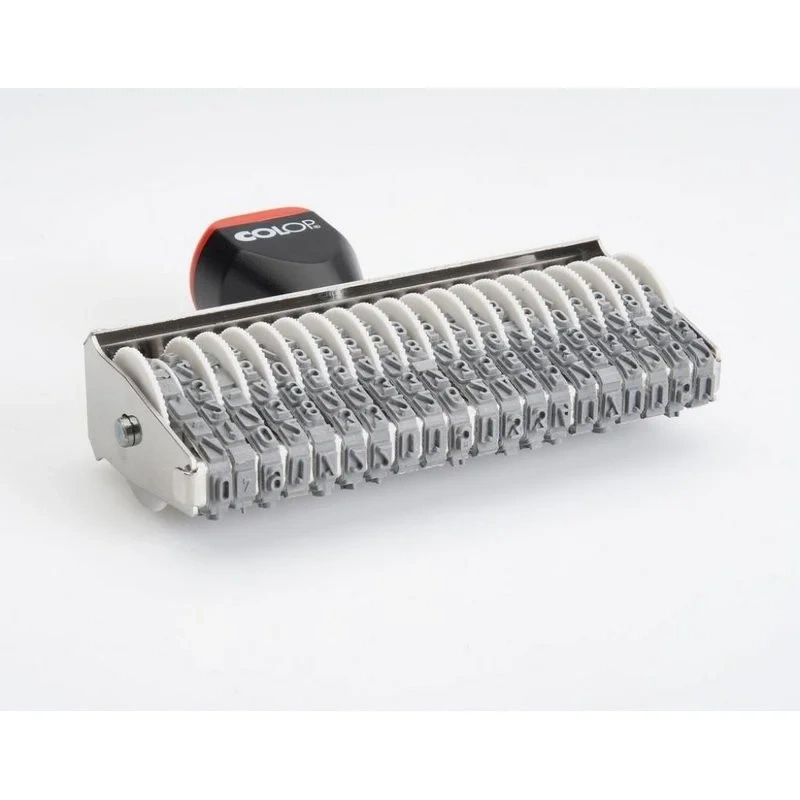
Band stamps turn up in more workplaces than you might think. Manufacturers, metalworkers, automotive shops, and even trophy makers use them when they need to put letters or numbers onto parts, tools, and materials without ordering a brand-new stamp every time the message changes.
And that’s really the appeal… flexibility. You can rearrange the characters to create part numbers, batch codes, dates, serial numbers, or custom text, then change them again for the next job. One simple tool can keep up with a changing shop floor.
Wondering whether one would actually make sense for your work? There’s a good chance it could. Short Order Products has a full band stamp collection for everyday marking jobs, so let’s look at where these tools tend to fit naturally.
What Are Band Stamps and How Do They Work?
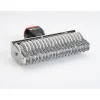
A band stamp is basically a reusable marking tool with individual character bands that you move into place. You choose the letters or numbers you need, line them up and stamp the finished message onto your part or material… pretty straightforward, right?
Each band contains a set of letters, numbers, or both and you rotate the bands until your message is ready. Need a new batch code tomorrow? No problem. Rearrange the characters, line everything up again and you’ve got a different message without changing the whole tool.
That’s where band stamps differ from fixed-character stamps. A fixed stamp always carries the same wording or numbers, while a band stamp lets you change the message whenever you need. If your identification changes often, that small difference can make everyday marking much easier.
Understanding Band Stamp Applications Across Industries
Once you understand that flexibility, the wide range of uses makes more sense. The same basic tool can mark a machine part in one workplace and a piece of equipment in another. So, where might you actually find band stamps being used?
Manufacturing and Industrial Applications
Manufacturing floors deal with parts, materials, batches and equipment all day long. Keeping those items identified can become a job of its own, especially when markings change from one production run to another. The US Metal Stamping & Forging industry reached $31.7 billion in 2026 and common marking jobs include:
- Part Numbers: Put identification numbers directly onto individual components.
- Assembly Tracking: Mark components so they’re easier to identify during assembly.
- Batch Identification: Give products from the same production run a shared code.
- Production Dates: Add dates or shift codes to finished products.
- Inventory Labels: Mark raw materials and stored items for easier identification.
- Asset Numbers: Give tools and equipment their own identification numbers.
Automotive and Machinery Industries
Think about an automotive or machinery shop for a moment… how many small parts are moving around at once? When several components look alike, clear identification can save confusion later. A band stamp gives you one tool that can handle different marking jobs, including:
- Part Identification: Add numbers or codes to automotive components.
- Machinery Tracking: Mark machinery components with identifying information.
- Tool Identification: Distinguish tools and equipment around the shop.
- Replacement Parts: Add reference codes to parts kept in inventory.
- Service Components: Mark components with codes for easier identification later.
Metalworking and Fabrication Businesses
In metalworking and fabrication, a part may pass through several stages before it reaches the customer. You need to know what you’re looking at without stopping to guess and that’s where a clear, lasting mark can help. Common uses include:
- Finished Parts: Mark fabricated pieces before shipping them out.
- Assembly Tracking: Identify components as they move through different stages.
- Custom Marking: Add letters, numbers, or codes to individual parts.
- Job Identification: Give batches or jobs their own shared codes.
- Material Marking: Work across steel, aluminum and other metal surfaces.
Construction and Equipment Identification
Construction equipment doesn’t exactly stay put. Tools and machinery move between crews, storage areas and job sites, so keeping track of everything can get messy… especially when several similar items are involved. Permanent identification can help with everyday tasks such as:
- Equipment Identification: Mark construction machinery with identifying details.
- Project Tracking: Add codes to metal components for easier tracking.
- Tool Organization: Mark individual tools so they’re easier to identify.
- Site Inventory: Distinguish equipment and materials across different job sites.
- Maintenance Records: Connect marked items with their maintenance information.
Aerospace and Precision-Focused Industries
Aerospace and other precision-focused work comes with another consideration: the marking method has to suit the application. If you’re working with aerospace components or regulated applications, check the requirements that apply before choosing your equipment. Depending on the job, that may mean:
- Traceability: Mark components so they can be identified throughout their use.
- Part Numbers: Keep identification clear and readable.
- Serial Codes: Add serial or reference numbers where required.
- Small Components: Mark parts where available surface space is limited.
- Material Compatibility: Check that the marking method suits the material.
- Long-Term Readability: Make sure marks remain readable after handling and wear.
What to Consider Before Choosing a Band Stamp
So, which band stamp should you actually choose? Start with what you’re marking and what you need the finished impression to look like. A small metal component may need something different from a larger item or softer material, so think about these details first:
- Material Being Marked: Consider whether you’re marking metal, plastic, wood, or another surface.
- Character Size: Choose characters that are easy to read within the available space.
- Number of Characters: Make sure you have enough bands for the message you need.
- Marking Depth: Consider how deep the impression needs to be for lasting identification.
- Frequency of Use: Think about how often you’ll be using the stamp.
- Identification Type: Decide whether you need names, numbers, dates, codes, or a mix.
- Surface Shape: Check whether the part is flat, curved, or uneven.
- Readability: Make sure the finished mark is easy to see and understand.
Get Band Stamps from Short Order Products’ Collection!
Band stamps may be simple tools, but the problem they solve comes up in plenty of workplaces. Parts need numbers, batches need codes and equipment needs identification… and your marking needs may change from one job to the next.
That’s why their flexibility matters. Instead of keeping a separate fixed stamp for every possible message, you can rearrange the characters and create what you need. Manufacturing, automotive, metalworking, construction and precision-focused businesses can all use them in different ways.
If you’re ready to simplify your marking setup, check out the band stamp lineup and pick the style that fits your shop. Got questions about sizing or custom layouts? Reach out to Short Order Products and someone will walk you through it.
Frequently Asked Questions (FAQs)
How does a band stamp compare to a fixed stamp?
A band stamp has movable characters, so you can create different messages. A fixed stamp has one permanent design.
Can band stamps mark metal, plastic and wood?
Yes, but the right stamp depends on the material, surface hardness and marking depth you need.
How long do band stamps typically last?
Quality band stamps can handle thousands of impressions with regular care. Cleaning and proper storage can help maintain the characters.
What character sizes are available for band stamps?
Band stamps come in different character sizes. Choose based on your available space and how easily the finished mark needs to be read.