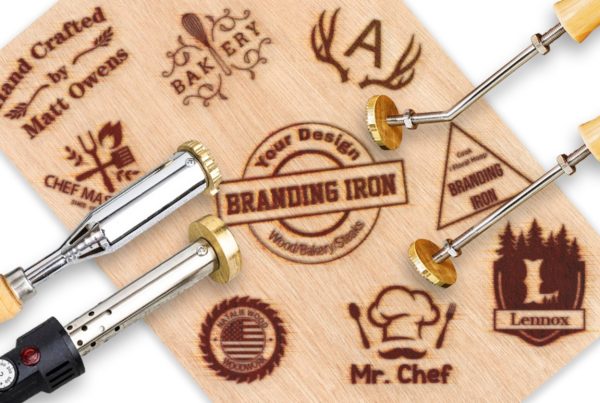

Aluminum tape is one of those products that does a lot more than people realize. At first glance, it just looks like a shiny roll of foil with adhesive on the back. However, once you start using it, you’ll notice how strong, durable, and dependable it actually is. From construction work and creating business tags to daily home fixes, HVAC maintenance, and electrical projects, at Short Order Products, we have seen firsthand how versatile and reliable a Roovers aluminum embossing tape can be.
1. Sealing HVAC Ducts with Roovers Aluminum Embossing Tape
This is easily one of the most significant and most important uses of aluminum tape. HVAC ducts often have tiny gaps where air slips out without you even noticing. Even a small opening can mess with heating or cooling efficiency and push energy bills higher than they should be. That’s where aluminum tape steps in and does its job well.
Aluminum tape works perfectly here because it:
- Grabs onto metal ductwork firmly, giving you a strong, dependable hold.
- Handles hot and cold air without any trouble, so it performs well year-round.
- Stays put even when temperatures swing up or down, which means no sudden peeling.
- Presses down into seams and joints, forming a clean, airtight seal that stops leaks fast.
When you apply the tape correctly, it holds the heated or cooled air inside the ducts and stops it from escaping into hidden spaces like ceilings, crawl areas, or walls. This makes your HVAC system run more efficiently, keeps your home comfortable, and saves energy.
2. Insulation Wrapping
When you wrap insulation around pipes, ducts, or vents, you need something strong to hold it all in place, and aluminum tape does this perfectly. The foil side also works as a protective layer, helping keep heat in or out and reducing heat loss. At the same time, the sticky side keeps the insulation firmly attached, even on surfaces that get a bit warm or slightly damp. Because of this strong combination, it stays reliable for years without breaking down.
It’s commonly used for:
- Installers wrap and secure fiberglass insulation with aluminum tape to keep it tight and prevent it from shifting.
- Pressing a strip of foil tape over foam insulation on pipes gives it extra support and keeps it in place.
- Joints between insulation boards stay neatly covered since aluminum tape creates a smooth, connected surface.
- You can quickly seal any small gaps in HVAC insulation, which makes the whole system more airtight.
3. Heat and Light Reflection
Since aluminum naturally reflects heat and light, the tape version does the same, just in a much more convenient, easy-to-apply form. This makes it really useful in any situation where things heat up quickly or you need to bounce heat or light away from certain areas. So anytime a spot gets too hot or needs extra protection, reflective aluminum tape is usually the easy go-to.
Here’s where it’s especially helpful:
-
Thermal Insulation
It pushes radiant heat away from sensitive parts, helping those surfaces stay cooler for longer.
-
Furnaces and Boilers
You’ll find it lining or patching areas that face direct heat since the tape doesn’t melt, burn, or break down easily.
-
Automotive and Engine Compartments
Mechanics place it over wiring, hoses, and panels next to the engine heat to protect them from damage over time.
-
Lighting Setups
Reflective tape comes in handy for redirecting or softening light in photography setups, grow rooms, or even small home workshops.
People Also Ask
What is aluminum tape used for?
Aluminum tape is great for sealing ducts, wrapping insulation, blocking moisture, reflecting heat, and even for quick repairs.
Is aluminum tape safe to touch?
Yes, it’s generally safe. Just watch out for the edges, because they can be sharp. Our experts suggest wearing gloves if you’re handling a big piece.
Is aluminum tape permanent?
Not really. It sticks strongly at first, but if you remove it, the adhesive usually loses its grip. It’s designed for one-time use in most cases.
4. Waterproofing Surfaces
Another great thing about a Roovers aluminum embossing tape is that it resists water and moisture. When you stick it on, it forms a tight barrier that keeps out water, humidity, and even steam. This makes it really handy for quick fixes or extra protection in areas that need sealing. People use it to cover small roof cracks until a proper repair is done, seal outdoor pipes or vents, protect metal from rust, and even keep moisture off window frames. The tape sticks well to many surfaces, including metal, plastic, glass, and some types of wood, which makes it very versatile.
5. Masking for High-Temperature Jobs
In hot conditions, regular masking tape usually fails, since it can melt, curl, or even burn. Aluminum tape, on the other hand, sticks exactly where you put it, which is why painters, welders, and technicians like using it.
For example
- If you’re powder coating a surface, aluminum tape works great for covering areas neatly and staying put, even under high heat.
- If you’re soldering or welding, it protects nearby surfaces from sparks or heat damage, so nothing gets accidentally scorched.
- If you’re doing high-heat painting, the tape shields equipment from stray paint and prevents messes.
- If parts are sensitive to temperature, the foil reflects heat while the adhesive holds strong, keeping edges from lifting or peeling.
Conclusion
All in all, Roovers aluminum embossing tape proves itself every time a project gets tricky, by keeping the air from leaking, surfaces dry, insulation in place, and heat under control. For top-quality rolls that get the job done right, we at Short Order Products have you covered.
Grab yours from our store now!
FAQs
Can aluminum tape be painted over?
It depends on the tape’s surface. Standard aluminum tape is glossy, so paint may not stick well unless you sand and prime it first.
How do I remove aluminum tape without damaging surfaces?
Gently peel it off at a low angle. For sticky residues, a bit of rubbing alcohol or warm soapy water usually does the trick.
Can aluminum tape be used for electrical projects?
Only certain types are made for that. Conductive aluminum tape can handle grounding and EMI/RFI shielding, while regular tape should not touch live wires.