
Branding, whether of services, culture, or physical products, is more than a tagline or logo. However, branding sometimes involves literally marking a product so that it carries a name, symbol, or identifying detail. This is why the choice of metal (like Metal Stamping) used for branding plays an important role in durability and clarity.
While many teams associate branding with marketing, design, and client experience, internal stakeholders need to understand how even small technical decisions reflect on quality and consistency.
In this blog, we’ll explore which metals we can use for physical branding and why they work the best. We’ll also introduce a term you will see often in manufacturing contexts: Metal Stamping.
The Introduction to Metal Stamping
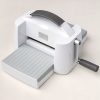
When professionals talk about permanent branding on metal or other materials, they often mean metal stamping. Metal stamping is a process in which a metal press imprints shapes, letters, or designs into a metal sheet. This technique is widely popular because it delivers high levels of accuracy and repeatability, even in high volume production. The metal for the stamp and the metal being stamped must be compatible to produce clear, lasting marks without damaging the source material.
Why Metal Choice Matters
At first glance, choosing a metal for branding might seem like an optional choice or using whatever is easiest or cheapest. However, this choice impacts:
- Clarity of the brand mark
- Resistance to wear, corrosion, and abrasion
- Heat tolerance during branding or stamping
- Ease of manufacturing
- Long term product integrity
Common Metals Best for Branding
Here are the metals we use most commonly for physical branding, along with why they are preferred:
Stainless Steel
Stainless steel is for branding tools and nameplates because it resists corrosion, holds sharp details, and tolerates heat well. Because of its strength, stainless steel stamps or plates deliver consistent, evergreen impressions over long production runs.
Aluminum
Aluminum is lightweight, easy to work with, and less expensive than many other metals. For applications where weight matters or where the final surface is softer, we use aluminum branding plates or tools. It also responds well to anodizing, which adds a layer of protection and color options.
Brass
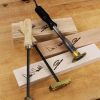
Brass is a classic choice for nameplates, badges, and decorative branding due to its warm color and excellent machinability. It resists corrosion reasonably well and offers a professional look without the cost of precious metals.
Copper
Copper is softer than stainless steel or aluminum, which makes it easier to stamp but less durable in high volume settings. Nevertheless, it’s still chosen when conductivity or a different appearance is needed.
An Inside Look: How Branding Metals Are Selected
Selecting the right metal requires balancing multiple factors:
- Production Volume: High volume stamping favors hard metals like stainless steel that won’t wear out quickly.
- Environment: Will the branded part face moisture, heat, or chemicals? Metals resistant to corrosion and degradation perform better in harsh conditions.
- Aesthetics: Some metals like brass or copper are chosen for their look, not just their mechanical properties.
- Cost Constraints: Material costs and processing costs are real concerns for scalable manufacturing.
People Also Ask
Which metal stamping is best for logos?
The ideal metal should be a balance between required finish and workability. Stainless steel is preferred for its durability and capacity to maintain sharp impressions.
Can we use softer metals for branding?
Yes, softer metals like aluminum, brass and copper are used when weight or appearance is prioritized over extreme durability as they are expertly known for their machinability.
Does the metal choice affect branding quality?
Absolutely. The right metal improves clarity, longevity, and resistance to wear as each of them showcases different attributes and aesthetics.
How Branding Metals Affect End-Use Products
From automotive components to high end consumer goods, the choice of metal influences how a branded mark performs over time. Let’s examine a few scenarios:
Durable Goods
Items such as hand tools, machinery parts, and equipment often require brands that remain legible despite heavy use. Here, we select hard metals with high wear resistance, such as stainless steel or hardened alloys.
Decorative Products
When aesthetics are a priority (e.g., nameplates on premium consumer goods), metals like brass or copper deliver visual appeal with sufficient durability. These metals also take well to finishes like polishing, plating, or antiquing.
Identification Tags
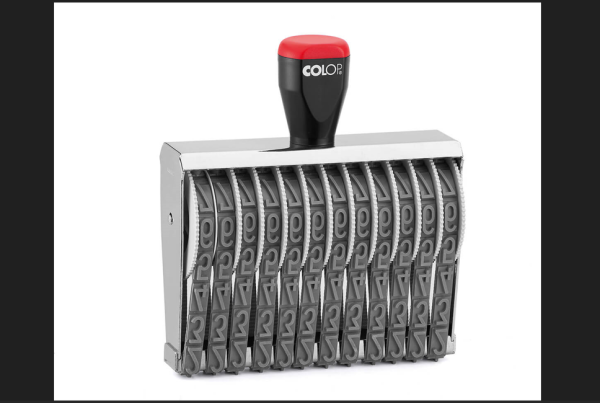
Products that need permanent serial numbers or safety markings benefit from metals that can withstand environmental challenges. In many cases, anodized aluminum strikes a balance between corrosion resistance, weight, and clarity of the text we stamp.
By matching the metal to the product’s use case, organizations not only guarantee a quality brand mark but also uphold consistency with brand values.
Practical Considerations for Internal Teams
From operations to client delivery, learning about metal selection improves cross-functional communication:
- Engineering Teams should align on tolerance and durability requirements.
- Production Teams must make sure that stamping processes and tooling are compatible with the chosen materials.
- Quality Teams should validate that marks stay legible through product life cycles, including exposure to heat, abrasion, or chemicals.
- Design Teams need to balance aesthetics with material constraints.
Conclusion
Choosing the right metal for branding is a part of upholding product quality, brand integrity, and customer satisfaction. Whether using strong materials like stainless steel for high volume production or striking choices like Metal Stamping for decorative applications, informed decisions make a difference.
In internal contexts, it’s especially valuable to articulate why we choose certain metals and how they support broader product goals. Clear communication guarantees that teams work together effectively and deliver consistent outcomes.
To find the right stamping metal for you, contact us now.
FAQs
What is the most durable metal for branding?
Stainless steel is typically the most durable choice due to its corrosion and wear resistance.
Can we use metals like aluminum for permanent branding?
Yes. You can use aluminum, especially where weight savings and ease of stamping are priorities.
Does the stamping process affect metal choice?
Yes, the stamping process and equipment influence which metals will perform best.